
 Tattoo Ideas & Designs
How Do Tattoo Artists Connect Existing Tattoos Into a Sleeve...
Published On 07-10-2026
Published by the Tattoo Shops Near You Editorial Team
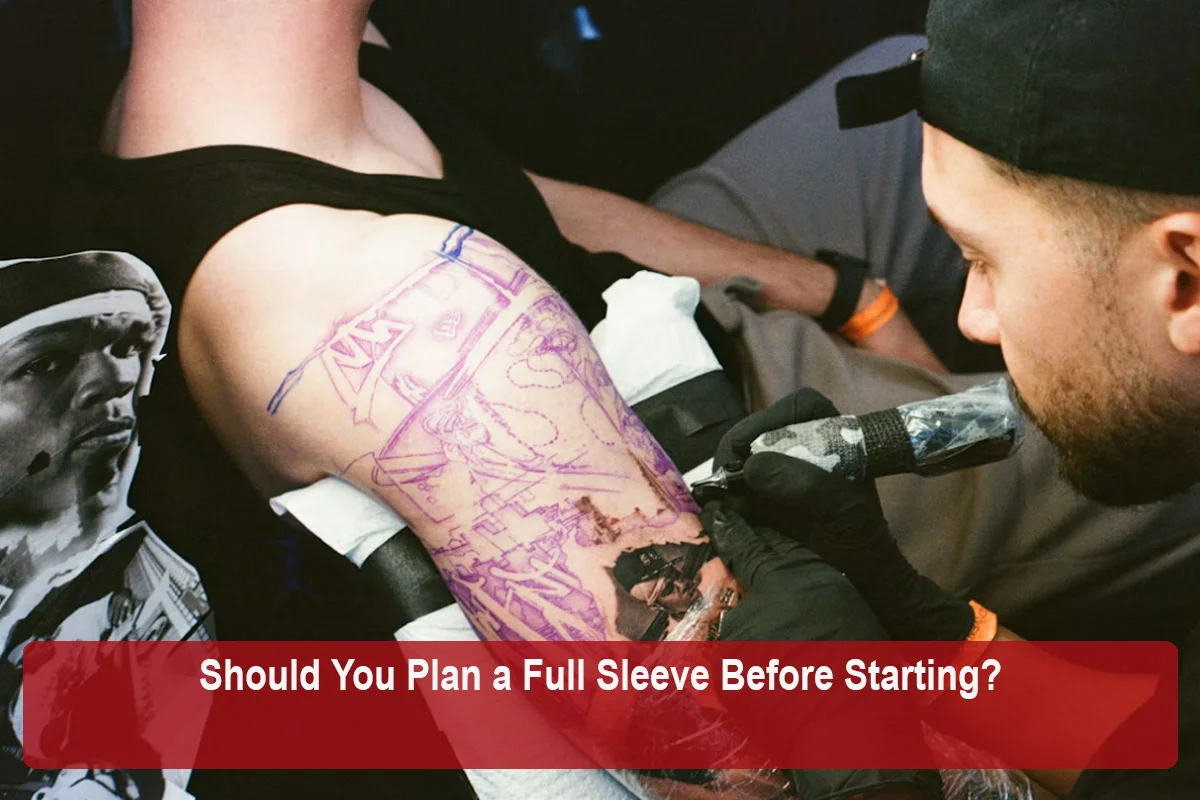
Some collectors map out an entire sleeve before the first line is tattooed. Others start with one piece they love and let the sleeve grow naturally over years, adding tattoos as ideas and opportunities come along. Both approaches produce beautiful sleeves, and both have trade-offs.
This article weighs the two paths so you can decide which suits you. If you already know you want to plan ahead and are looking for a step-by-step process, our companion guide on how to plan a tattoo sleeve walks through it in detail.
The entire sleeve is designed upfront, usually by one artist. Theme, style, focal points, background, and flow are decided before tattooing begins. The work is then completed over a series of sessions according to the plan.
The sleeve develops over time. You get individual tattoos as you go, often from different artists or at different stages of life, and eventually fill the gaps to create a sleeve. The final look is shaped by the pieces you collect along the way.
Many sleeves fall somewhere in between, such as starting with a loose plan that evolves, or starting organically and bringing in one artist later to unify everything.
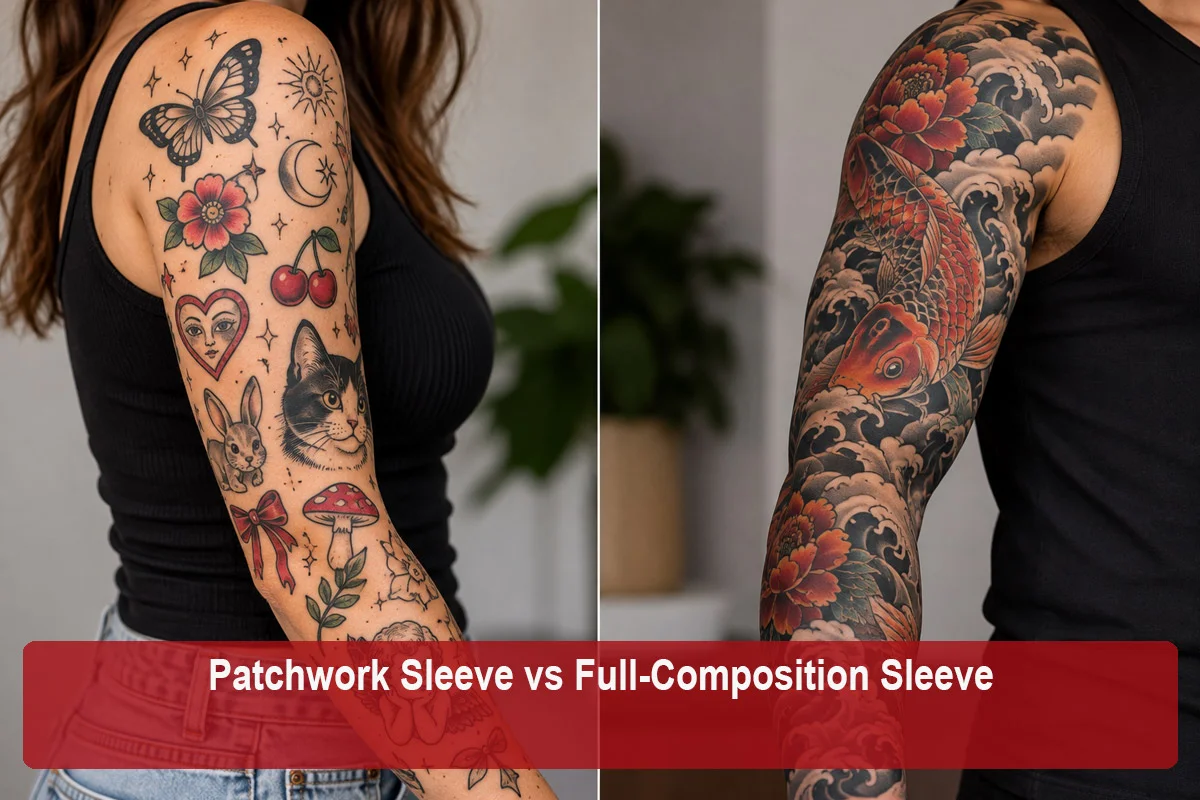
A planned sleeve is designed as one composition. Elements flow into each other, the background ties everything together, and the sleeve reads as a single artwork from every angle. This is especially important for styles like Japanese and large-scale realism, where composition and flow are central.
Planning lets the artist place focal points on the most visible areas and use the inner arm, elbow, and wrist intentionally. Without a plan, early tattoos may end up in spots that make later composition harder.
One artist working to one plan typically produces a consistent style, line weight, and color palette. This creates a polished, unified look.
With a plan, you have a better idea of the time, sessions, and budget involved, which makes the project easier to manage.
An organic sleeve lets you follow your interests as they change. You can add tattoos that mark new experiences, relationships, or places, rather than committing to a single plan years in advance.
Organic sleeves often include work from different artists. Many collectors love this variety, which can turn a sleeve into a visual record of the artists and places they have encountered.
You do not need to commit to a full sleeve's cost and time upfront. You can start with one piece and decide later whether to keep going.
Many organic sleeves feel like a diary, with each piece connected to a moment in life. This personal history is part of their appeal.
| Factor | Fully Planned | Organically Grown |
|---|---|---|
| Cohesion | High, designed as one composition | Varies; can be unified later |
| Flexibility | Lower once committed | High; evolves with you |
| Artists | Usually one artist | Often several artists |
| Use of space | Intentional from the start | May need adjustment later |
| Upfront commitment | Larger | Smaller |
| Best suited styles | Japanese, realism, large compositions | Traditional flash, patchwork, mixed styles |
| Feel | Unified artwork | Collection of moments |
Starting without a plan is perfectly valid, but it carries a few risks worth knowing:
These issues are often solvable, especially with a skilled artist, but they are easier to avoid with some foresight.
Planning has its own pitfalls:
Many collectors find a middle path works best. They decide on a general direction, such as a style, color approach, or theme, and a rough idea of where key pieces will go, without designing every detail upfront. Each new tattoo is placed with the bigger picture in mind, leaving room for later additions and a background to tie everything together.
This approach keeps flexibility while avoiding the most common placement mistakes. Telling every artist you work with that you are building toward a sleeve helps them position each piece wisely.
Some styles practically require planning. Japanese sleeves, for example, are traditionally designed as unified compositions with flowing backgrounds that connect the main imagery. Large realism sleeves also benefit from planned lighting and composition.
Other styles suit organic growth. American traditional sleeves are often built from individual flash pieces collected over time, sometimes later tied together with filler. Our comparison of American traditional vs neo-traditional tattoos explains these styles in more detail.
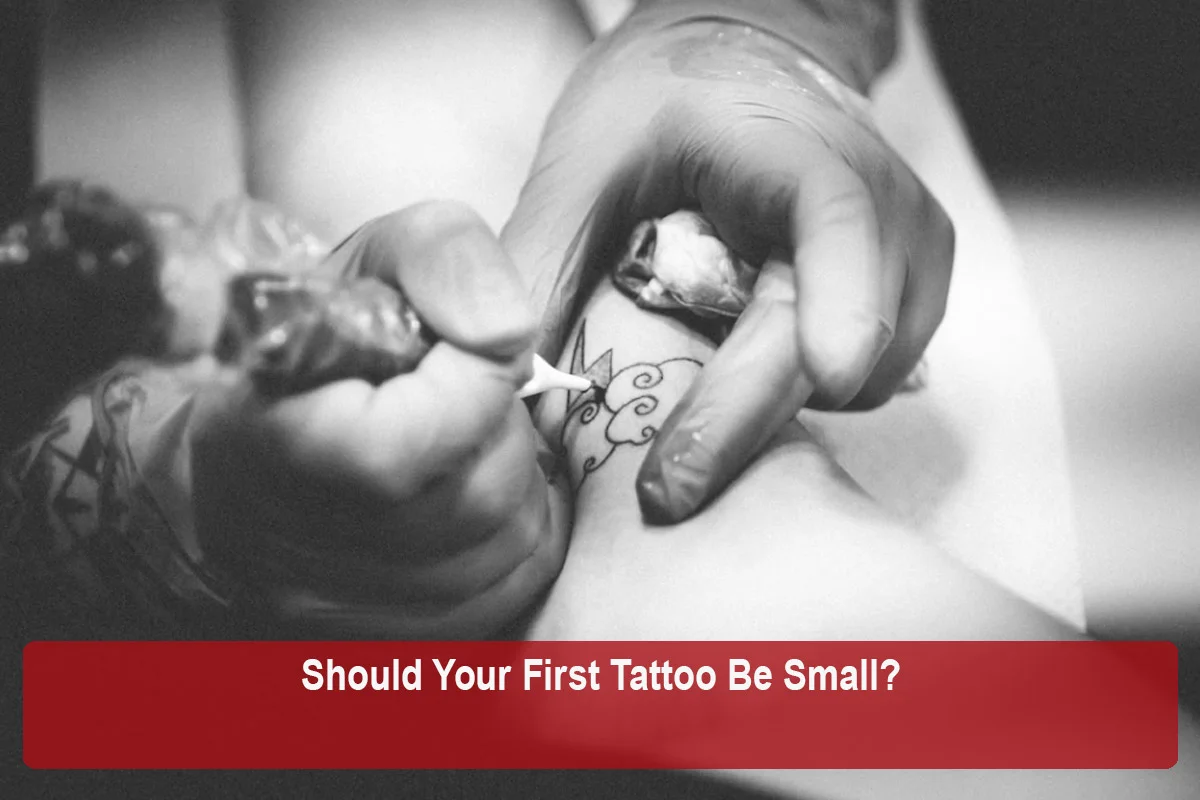
If you are not ready to commit, starting with a single forearm or upper arm piece is a common way to begin. Choose a placement that leaves room to expand. Our forearm tattoo placement guide covers how to position a first forearm piece with a future sleeve in mind, and our comparison of inner vs outer forearm tattoos explains how each side fits into a sleeve.
One of the strongest arguments for flexibility is that tastes evolve. The style or theme you love today may feel different in five years. An organic or loosely planned sleeve can absorb those changes. On the other hand, some people find that committing to one plan helps them avoid chasing trends and results in a sleeve they still love long after it is finished. Think honestly about how settled your preferences are.
Fully planned sleeves often depend on one artist. If that artist moves, changes studios, or takes a break, continuing the project can be harder. Many artists are happy to share their sketches, and other artists can often continue a sleeve, but matching style exactly can be challenging. Keeping copies of your sleeve plan, sketches, and progress photos can help if you ever need to continue with someone else.
The planner: someone who knows they want a Japanese sleeve with a dragon, waves, and peonies books a specialist, designs the whole sleeve upfront, and completes it over a series of sessions.
The collector: someone who loves traditional flash gets pieces from different artists over several years, placing each with some space around it, and later adds filler to tie them together.
The hybrid: someone who chooses black and grey botanicals as a loose theme, starts with a forearm piece, and adds related designs over time with an eye on eventually connecting them with shading.
All three can lead to excellent sleeves. The right path depends on your personality and goals.
If you are unsure which approach to take, consulting with more than one artist can help. A specialist in large compositions may show you what a fully planned sleeve could look like. A traditional artist may show you how a patchwork approach could develop. Comparing their ideas can clarify what excites you most.
Whichever approach you choose, keep a record. Save photos of each finished piece once healed, any sketches or plans, and notes about the artists involved. This record helps future artists understand your sleeve and makes it easier to plan additions or connections later.
If you start without a full plan, a few placement habits keep options open. Avoid placing a small tattoo in the exact center of the outer forearm or outer upper arm, since those are prime spots for future focal pieces. Leave reasonable space between pieces so filler or background can be added later. Keep sizes roughly consistent so pieces do not look mismatched when connected. And tell each artist you work with that you are building toward a sleeve.
The same decision applies to leg sleeves, back pieces, and chest panels. Large areas generally benefit from some planning, since focal points and flow matter even more across a big canvas. Many people use a loose plan for these areas too, deciding on style and the rough position of main pieces while leaving room to evolve.
If you feel excited by a complete vision, planning upfront will likely suit you. If you feel drawn to collecting individual pieces, an organic approach may be more satisfying. Either path can lead to a sleeve you love.
Whatever you decide, revisit your plan occasionally. A quick check-in with your artist between sessions keeps everyone aligned and lets the sleeve adapt if your ideas evolve.
You do not have to plan a full sleeve before starting, but some level of planning almost always helps. A fully planned sleeve offers cohesion and intentional use of space. An organically grown sleeve offers flexibility, variety, and a personal story. A loose plan combines many of the benefits of both.
Think about your style, your priorities, and how certain you are about the end result. Then share your intentions with your artist, so whichever path you choose, each piece moves you toward a sleeve you will love. Our guide on choosing the right tattoo artist can help you find a collaborator for the journey.
This article was reviewed by the Tattoo Shops Near You Editorial Team for accuracy, clarity, and relevance. We use reliable industry resources, official business information, and other authoritative sources where applicable to help readers make informed decisions about tattoo shops, artists, styles, and services.
Last reviewed: October 2026
Tattoo Ideas & Designs
 Tattoo Ideas & Designs
 Tattoo Ideas & Designs
 Tattoo Ideas & Designs