
 Tattoo Ideas & Designs
How Do Tattoo Artists Connect Existing Tattoos Into a Sleeve...
Published On 07-10-2026
Published by the Tattoo Shops Near You Editorial Team
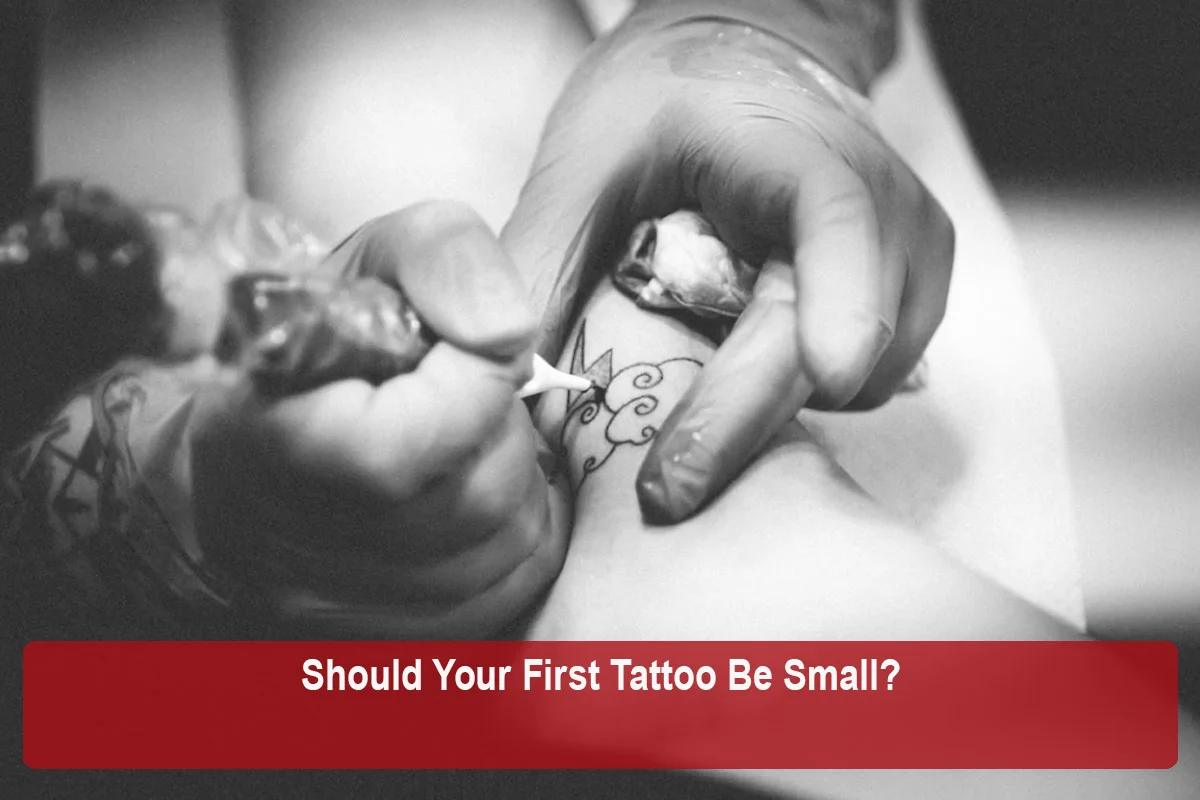
Starting small is one of the most common pieces of advice given to first-timers. It sounds sensible: a small tattoo is less of a commitment, the session is shorter, and if you do not love the experience, you have not taken on too much. For many people, a small first tattoo is exactly the right choice.
But small is not automatically better. Some designs do not work at a small size, some small tattoos age poorly, and some people find that a tiny first tattoo leaves them wishing they had gone bigger. This article weighs the real pros and cons of starting small so you can decide what suits you. If you have already decided and want help choosing an exact size, our companion guide on how big your first tattoo should be covers the practical sizing steps.
Small tattoos usually take less time. For a first-timer who does not yet know how they will handle the sensation, a shorter session can feel far more manageable. You get to experience the process without a long commitment in the chair.
Everyone experiences tattoos differently. A small first tattoo lets you learn how you handle the sensation, how your skin heals, and how you feel about having a tattoo, before committing to a larger piece. Our article on why tattoo pain varies from person to person explains why your experience may differ from others'.
Small tattoos fit almost anywhere and are easy to hide when needed. This gives you flexibility at work, with family, or in other settings where you may prefer to keep your tattoo private.
If you are unsure how you will feel about having a permanent mark, starting small reduces the stakes. Many people find a small first tattoo helps them get comfortable with the idea of being tattooed.
Smaller tattoos cover less skin and are generally quicker and simpler to care for during healing.
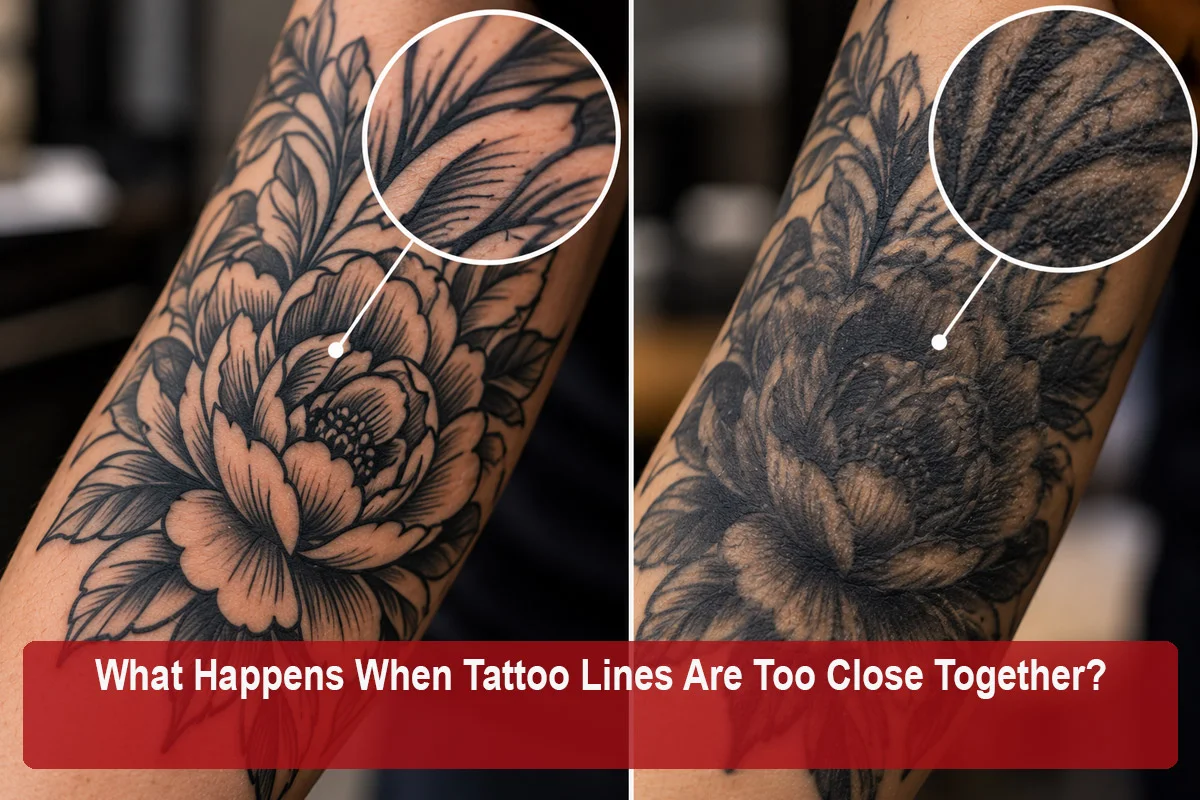
The biggest risk of starting small is shrinking a design that needs more space. Detailed designs, portraits, long text, and complex scenes can blur or fill in over time when tattooed too small. Our guide on how small is too small for a tattoo explains where the limits usually are.
Many shops have a minimum charge that covers setup and sterile supplies regardless of size. A tiny tattoo may cost the same as a somewhat larger one. Our article on what a tattoo shop minimum is explains why.
Some people get a tiny first tattoo and immediately wish it were bigger. If you have been dreaming about a bold design, shrinking it to feel safe may leave you unsatisfied.
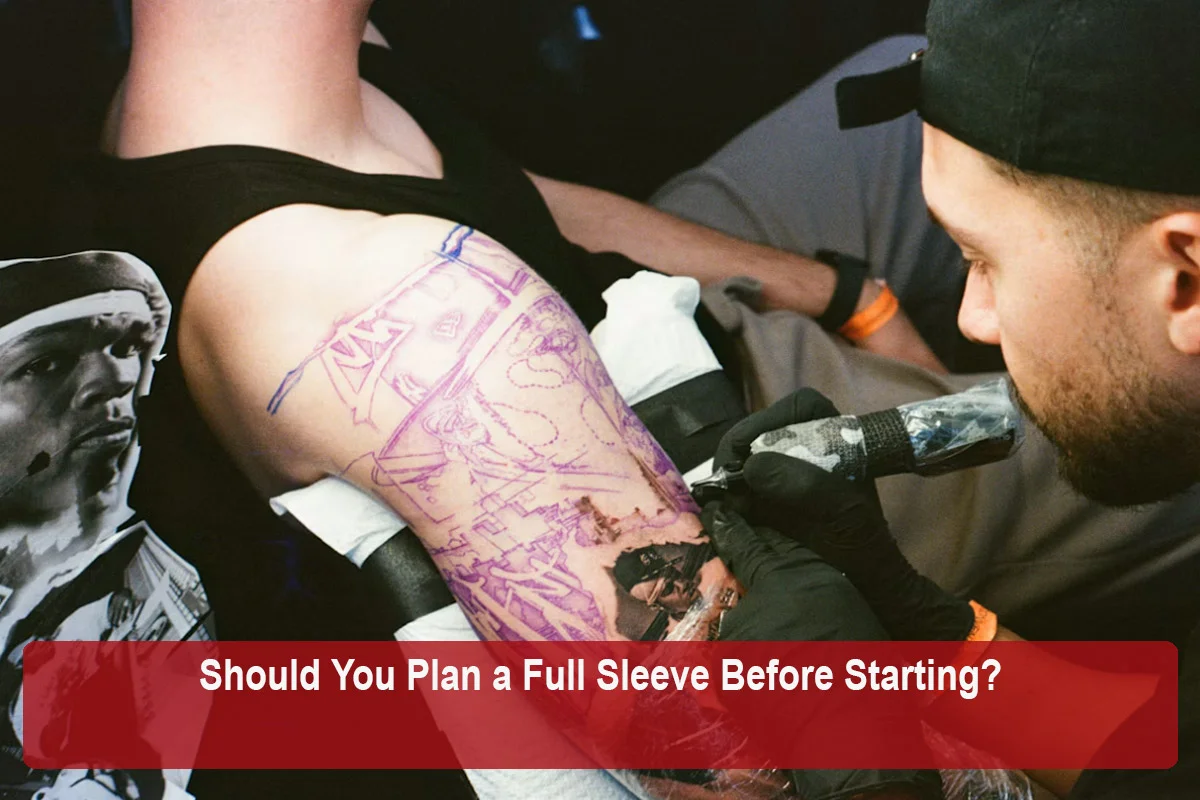
A small tattoo placed in the middle of a large area, such as the forearm or back, can make it harder to fit a larger piece there later. If you think you might build a sleeve or larger project, a tiny first tattoo in the wrong spot can create an obstacle.
Popular small tattoo placements like fingers, hands, and feet are among the most prone to fading and the trickiest to heal. A small tattoo is not automatically low maintenance if it is in a high-wear area.
| Pros of Starting Small | Cons of Starting Small |
|---|---|
| Shorter, more manageable session | Detailed designs may blur when too small |
| Learn how your body handles tattoos | Shop minimums may make it no cheaper |
| Easy to place and cover | May feel underwhelming if you wanted something bolder |
| Lower emotional commitment | Can block space for future larger pieces |
| Generally quicker to heal | Popular small placements like fingers fade faster |
A small first tattoo may suit you if you:
A medium or larger first tattoo may suit you if you:
Plenty of people get a medium-sized first tattoo and are glad they did.
Many first-timers find a middle ground: a design that is small to medium in size, simple enough to stay readable, and placed somewhere comfortable and easy to heal, such as the outer forearm, upper arm, or calf. This approach gives you a manageable session and a tattoo that holds up over time, without shrinking a design past its limits.
If your dream design is detailed but you want to start small, consider simplifying it rather than shrinking it. Our guide on why tattoo artists simplify small designs explains how artists keep a design's essence at a smaller size.
It is natural to feel nervous before a first tattoo. But choosing a size purely out of fear can lead to a tattoo that does not reflect what you really want. Ask yourself: if you were not nervous, what would you choose? If the answer is a small, simple design, great. If it is something bigger, it may be worth preparing for that rather than settling.
Preparation helps a lot. Eating well, staying hydrated, getting a good night's sleep, and choosing a comfortable placement can all make a larger first session more manageable.
Your artist is your best guide. Share your design, your preferred size, and your concerns about pain or commitment. A good artist will tell you honestly whether your design works small and suggest options if it does not. Our guide on choosing an artist for your first tattoo can help you find someone who will give thoughtful advice.
Small is relative. A design that feels small on the thigh may feel large on the wrist. In general, people think of small tattoos as designs that fit within a modest area, such as a palm-sized piece or smaller, often completed in a short session. What matters most is not the measurement but whether the design has enough room for its level of detail.
These designs share open space and limited detail, which helps them stay readable at a small size.
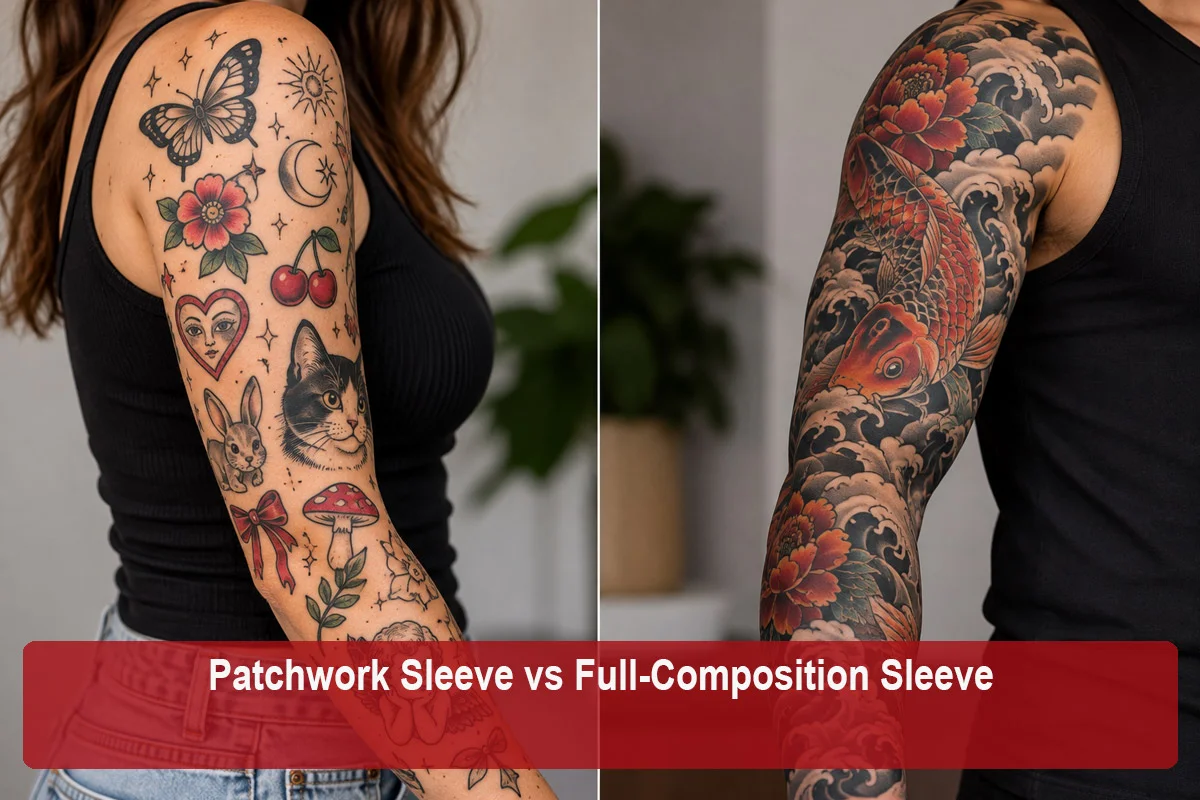
If you like the idea of starting small but might want more later, choose a design and placement that can grow. A single flower on the upper arm can become the start of a floral half sleeve. A small symbol on the shoulder can later be framed with additional elements. Mention this possibility to your artist so they can place the first piece where expansion will be easy.
Some people treat a small first tattoo as low stakes and skip the research. But a small tattoo is still permanent, and it deserves the same care in choosing a shop and artist. Simple designs leave little room to hide shaky lines, so artist skill matters even for tiny pieces. Look at healed small tattoos in the artist's portfolio and check that the studio is clean and professional.
Myth: small tattoos never hurt. Small sessions are shorter, but sensation depends on placement and the individual.
Myth: small tattoos are always cheap. Shop minimums often apply.
Myth: small tattoos never fade. Size does not protect against fading, especially on high-wear placements.
If you decide to start small, choose the placement carefully. Popular small placements like the inner wrist, ankle, and behind the ear are lovely, but fingers and the sides of hands are high-wear areas that fade faster. For a small first tattoo that stays crisp and heals easily, stable areas like the inner forearm, upper arm, shoulder, or collarbone are often good choices.
Many collectors look back on their first tattoo as the start of a bigger journey. A small first tattoo can stand alone forever, or become one element in a collection of small pieces, or anchor a larger project. Thinking about which of these paths appeals to you can help you choose not just the size, but also the style and placement of your first piece.
If you are still unsure, print your design at a small size and at a slightly larger size, and hold both against your chosen placement. Live with them for a few days. Often one will clearly feel right. That instinct, combined with your artist's advice, is usually a reliable guide.
Ultimately, your first tattoo should reflect what you genuinely want. Gather advice, consider the trade-offs, and then trust your own sense of what feels right for you.
Should your first tattoo be small? For many people, yes. A small first tattoo offers a short session, flexibility, and a gentle introduction to being tattooed. But small is not right for every design or every person. Detailed designs need space, shop minimums can reduce the cost advantage, and a tiny tattoo can feel underwhelming or block future plans.
Choose a size that suits your design, your comfort, and your long-term plans, not just your nerves. With the right size and a good artist, your first tattoo can be a piece you love for years.
This article was reviewed by the Tattoo Shops Near You Editorial Team for accuracy, clarity, and relevance. We use reliable industry resources, official business information, and other authoritative sources where applicable to help readers make informed decisions about tattoo shops, artists, styles, and services.
Last reviewed: October 2026
Tattoo Ideas & Designs
 Tattoo Ideas & Designs
 Tattoo Ideas & Designs
 Tattoo Ideas & Designs