
 Tattoo Ideas & Designs
How Do Tattoo Artists Connect Existing Tattoos Into a Sleeve...
Published On 07-10-2026
Published by the Tattoo Shops Near You Editorial Team
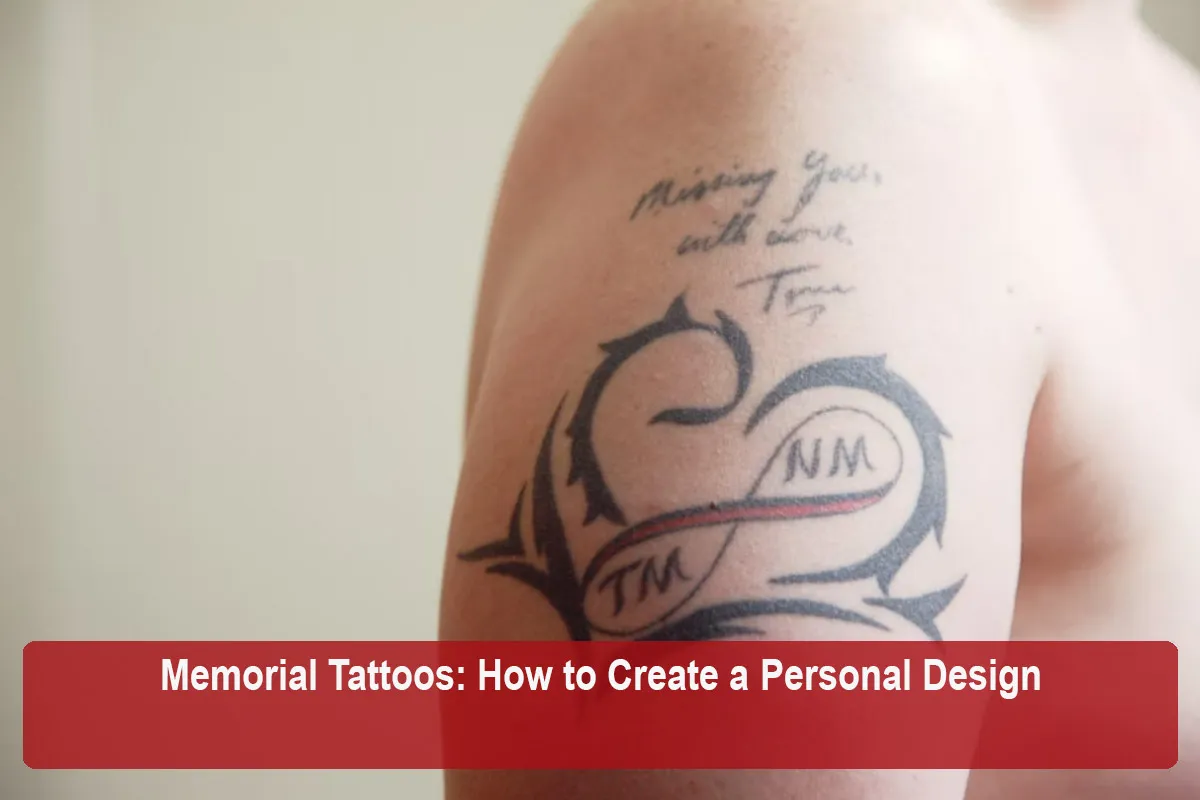
A memorial tattoo is one of the most personal pieces of art a person can wear. It carries the memory of someone you have lost, whether that is a parent, partner, child, friend, or beloved pet, and turns that memory into something you keep with you every day. Because the meaning is so personal, many people find that the hardest part is not choosing an artist or a placement. It is working out what the design should actually be.
This guide focuses on the creative side of the process: how to gather meaningful material, how to translate a person's story into visual elements, how to combine those elements into one cohesive design, and how to give yourself the time and space to make choices you will be glad of for years to come.
It is tempting to begin by searching for memorial tattoo ideas online. Browsing can be useful later, but starting there often leads toward designs that look similar to thousands of others. A more personal starting point is to think about the person first.
Before you think about imagery at all, spend some time writing down what comes to mind when you remember them. Their habits, their sayings, their favorite places, the music they played, the things they made, the way they laughed, the small objects that always seemed to be around them. None of this needs to be polished. The goal is to collect raw material that is specific to them and not to anyone else.
Once you have a list, patterns usually start to appear. A few memories will feel more central than the others. Those are often the strongest foundations for a design.
Many of the most moving memorial tattoos are built from real material connected to the person. It is worth collecting anything that could become part of the design, even if you are not sure yet how it would be used.
Scan or photograph originals at the highest quality you can, and keep the originals safe. Your artist will work from copies.
Memorial tattoos take many forms. Knowing the main approaches can help you decide which direction fits your memories and your taste.
A portrait of the person or pet, a replica of their handwriting, or a detailed image of an object they owned. These designs are immediately recognizable to people who knew them and can be very powerful. Portraits in particular require a skilled specialist and good reference photos.
Some people prefer imagery that stands for the person rather than showing them directly. A favorite flower, a bird associated with a shared memory, a musical note, a constellation, or a symbol from a hobby can carry deep meaning while remaining private. Only you and those close to you may know exactly what it represents.
Names, dates, initials, a meaningful phrase, or a line from a song or poem they loved. Text can stand alone or be integrated into a larger image. Keep in mind that longer text needs enough size to stay readable over time.
Many memorial pieces blend approaches, such as a flower that incorporates a handwritten name, or a landscape that includes a date woven into the scene. Combined designs can tell a richer story, but they also need careful planning so the result feels unified rather than crowded.
| Approach | Examples | Things to Consider |
|---|---|---|
| Portrait | Face of a loved one or pet | Needs a portrait specialist, a clear photo, and usually a larger size |
| Handwriting | Signature, sign-off, short note | Very personal; artist may need to clean up lines so it heals legibly |
| Symbolic imagery | Flowers, birds, objects, constellations | Flexible in size and style; meaning can stay private |
| Text and dates | Names, initials, phrases, years | Check spelling carefully; size affects readability |
| Combined design | Symbol plus handwriting or date | Needs thoughtful composition to avoid crowding |
Generic memorial symbols, such as angel wings, halos, and heartbeat lines, are popular for a reason. They are widely understood. However, many people later wish they had chosen something more specific to the person they lost.
A helpful exercise is to ask whether the symbol would make sense for anyone else. If a design could honor almost anyone, consider how to add something that makes it unmistakably about your person. A generic flower becomes personal when it is the one they grew in their garden. A simple bird becomes personal when it is the species that visited their feeder every morning. Small, specific choices like these turn a common motif into a unique tribute.
Memorial tattoos carry strong emotions, which can make it tempting to include every meaningful element. Packing too much into one design, though, can make it harder to read and more likely to blur as it ages.
A good artist will help you prioritize. Often the most effective designs have one clear focal point supported by one or two smaller elements. If you have more material than fits comfortably in one piece, consider whether some ideas could become a second tattoo later, or whether a larger placement would give the design room to breathe.
Be open to your artist's suggestions about simplifying handwriting, adjusting a photo composition, or enlarging lettering. These suggestions are about making sure the tribute stays clear for years, not about changing its meaning.
Handwriting is one of the most requested memorial elements, and it comes with a few practical considerations. Handwriting on paper often includes very thin strokes, uneven pressure, and small gaps. When tattooed at a small size, those features can blur together over time.
Artists usually trace and refine the handwriting slightly, evening out line weight and cleaning up any faint marks, while keeping the character of the original. Choose a sample that is as clear as possible, and ask to see the refined version before the appointment so you can confirm it still feels like theirs. Pick a size that lets the letters stay open and legible.
If you want a portrait, the reference photo matters enormously. Artists generally prefer photos that are sharp, well lit, and high resolution, with the face clearly visible and not heavily filtered. Group photos cropped down to one face often lack enough detail.
Gather several options if you can, and let your artist help choose. They can explain which photos will translate well into skin and which may struggle. In some cases, artists combine elements from more than one photo, but this depends on their experience and approach.
Text is often the element that makes a memorial piece feel complete. It is also the element most prone to mistakes. Always double-check spelling, dates, and the format you want, such as whether a year range uses full years or abbreviated ones. Write the exact text down and bring it with you rather than relying on memory on an emotional day.
Think about font style as well. Script that matches the tone of the design can be beautiful, but very ornate script can become hard to read at small sizes. Your artist can suggest lettering that suits both the design and the placement.
Some people ask about adding cremation ashes to tattoo ink. This is a sensitive topic, and practices and policies vary widely. Many artists decline this request, and those who consider it may have specific requirements. Because there are health and safety questions involved, it is not something to arrange casually. If this matters to you, discuss it openly with a licensed studio and seek appropriate medical advice so you can make an informed decision.
Many people find that a design built from handwriting, a portrait, or a meaningful symbol gives them the same sense of closeness without these concerns.
Grief affects decision-making, and there is no right timeline for a memorial tattoo. Some people get one soon after a loss as part of their grieving process. Others wait months or years until they feel clear about what they want. Both paths are valid.
If you are unsure, it can help to live with a design for a while before booking. Print it out, keep it somewhere you see it daily, and notice how you feel over a few weeks. If it still feels right, that is a good sign. If you find yourself wanting to change things, you have time to refine it before anything becomes permanent.
Memorial tattoos are sometimes shared. Siblings, children, or friends may choose matching or connected designs to honor the same person. Shared designs can be a meaningful way to grieve together, but they work best when everyone genuinely wants the same thing.
If you are planning a group memorial tattoo, consider a common core element that each person can adapt, such as the same handwriting in different placements or the same flower in different styles. This lets the group stay connected while each person keeps a piece that suits them.
A personal memorial tattoo starts with the person, not with a template. Collect the memories and materials that feel most like them, choose an approach that fits those memories, and work with your artist to shape everything into a design that is clear, balanced, and built to last.
Take the time you need, ask questions freely, and let your artist guide the technical side while you guide the meaning. The result can be a tribute that feels unmistakably connected to the person you are honoring and that you are proud to carry with you.
This article was reviewed by the Tattoo Shops Near You Editorial Team for accuracy, clarity, and relevance. We use reliable industry resources, official business information, and other authoritative sources where applicable to help readers make informed decisions about tattoo shops, artists, styles, and services.
Last reviewed: October 2026
Tattoo Ideas & Designs
 Tattoo Ideas & Designs
 Tattoo Ideas & Designs
 Tattoo Ideas & Designs