
 Tattoo Ideas & Designs
How Do Tattoo Artists Connect Existing Tattoos Into a Sleeve...
Published On 07-10-2026
Published by the Tattoo Shops Near You Editorial Team
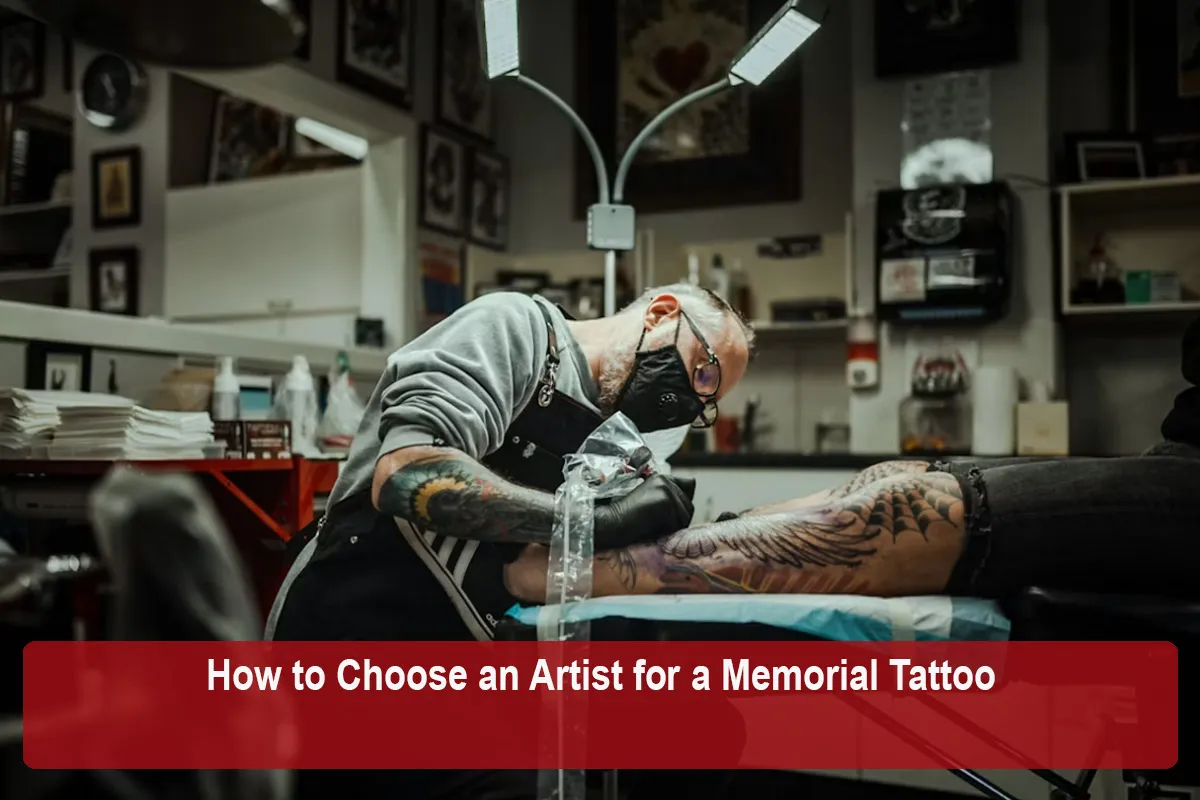
Choosing an artist for any tattoo takes some research. Choosing an artist for a memorial tattoo carries extra weight. You are trusting someone with a tribute to a person or pet you loved, and often with deeply personal material such as handwriting, photographs, and stories. The right artist needs the technical skill to execute your design well, and the sensitivity to handle the process with care.
This guide explains how to match an artist to the type of memorial piece you have in mind, what to look for in their portfolio, how to judge their communication and approach, and which questions to ask before you commit.
Memorial tattoos cover a wide range of styles. A realistic portrait, a replica of handwriting, a fine line flower, a bold traditional symbol, and a watercolor paw print all call for different strengths. Before you look at artists, get clear on the general direction of your design.
You do not need a finished concept. Knowing whether you want a portrait, text, symbolic imagery, or a combination is enough to narrow the search dramatically. It helps you look for artists whose specialty matches your idea, rather than choosing someone based on reputation alone and hoping they can adapt.
Most artists have styles they focus on and do best. A skilled traditional artist may not be the right choice for a photorealistic portrait, and a realism specialist may not be the best fit for delicate fine line script. Matching specialty to design is one of the most reliable ways to get a result you are happy with.
| Memorial Design Type | Look For an Artist Who | Portfolio Evidence to Check |
|---|---|---|
| Portrait of a person | Specializes in realism or portrait work | Multiple portraits with accurate likeness, including healed photos |
| Pet portrait | Regularly tattoos animals in realism or illustrative styles | Fur texture, eye detail, and recognizable animal features |
| Handwriting or script | Has clean, consistent linework and lettering experience | Healed script that stays readable |
| Fine line symbols | Focuses on fine line or minimalist work | Healed fine line pieces that hold their shape |
| Bold symbolic imagery | Works in traditional or neo-traditional styles | Strong outlines and solid color or black fill |
| Illustrative or combined designs | Designs custom compositions regularly | Original pieces that combine multiple elements cohesively |
An artist's portfolio is your best evidence of what they can do. For memorial pieces, look beyond whether the work is attractive and focus on the specific skills your design needs.
Search the portfolio for pieces similar to yours in style, size, and subject. If you want a portrait of a grandparent, several strong human portraits are more reassuring than one excellent portrait among dozens of unrelated pieces.
Fresh tattoos almost always look crisp. Healed photos show how the artist's work settles into skin over time. For portraits and fine script in particular, healed examples are one of the best ways to judge whether the detail and legibility will last.
Consistency across many pieces matters more than one standout example. Look for steady linework, smooth shading, and reliable likeness across the portfolio.
Many memorial tattoos are one of a kind. If your design combines handwriting with a symbol, or blends a pet portrait with flowers, look for evidence that the artist creates custom compositions rather than only reproducing flash or supplied images.
Portraits are among the most demanding memorial tattoos, and the stakes feel especially high when the face belongs to someone you loved. When reviewing portrait work, consider:
Technical ability is essential, but for a memorial tattoo the artist's manner matters too. You may become emotional talking about the person you lost, and you deserve an artist who responds with patience and respect.
Signs of a good fit include listening carefully to your story, asking thoughtful questions about the person and what you want to convey, explaining their suggestions clearly, and respecting your decisions about meaning while guiding you on technical matters. An artist who rushes you, dismisses your ideas, or pressures you into a quick booking may not be right for such a personal piece.
Many artists have tattooed memorial pieces many times and understand how much they mean. It is completely appropriate to look for someone who makes you feel comfortable.
For memorial work, a consultation is often the most valuable step in choosing an artist. It gives you a chance to share your materials, hear the artist's ideas, and judge whether you feel at ease with them.
Bring your reference materials, including photos, handwriting samples, and any notes about meaning. Watch how the artist handles them. A thoughtful artist will talk through which photos will work best, whether handwriting needs refining, and what size and placement suit the design.
If a studio does not offer formal consultations, a detailed message exchange can still tell you a lot about how the artist communicates and whether they understand your vision.
Honest, specific answers are a good sign. Vague or overly confident answers without explanation may be worth weighing carefully.
Memorial references are often irreplaceable. Before sharing anything, make high-quality scans or photos and keep the originals safe at home. Send your artist the digital copies rather than handing over a one-of-a-kind letter or photograph.
A good artist will understand this and work from copies without issue. If you do need to show an original in person, keep it with you during the consultation.
Highly sought-after portrait and realism artists can have long waitlists. For some people, that wait feels difficult. For others, it offers welcome time to reflect on the design.
If there is a date that matters, such as an anniversary or birthday, mention it early. The artist may or may not be able to accommodate it, but knowing in advance gives you both the best chance. It is generally better to wait for the right artist than to rush into a booking with someone whose skills do not match your design.
Sometimes the best artist for your specific memorial piece is not in your city. Many people travel for portrait and realism specialists. If you are considering this, factor in travel time, the possibility of multiple sessions, and the practicalities of healing away from home.
For smaller symbolic or script pieces, a skilled local artist with the right specialty is often an excellent choice and makes follow-up visits and touch-ups much easier.
Memorial portraits and custom designs often take more time to draw and tattoo than simpler pieces, so they may cost more. Pricing varies widely between artists and regions, and many studios require a deposit to secure a booking and cover design time. Ask how the artist prices the work, whether they charge by the piece or by the hour, and how many sketch revisions are included.
It can feel uncomfortable to think about cost when a tattoo carries so much emotional meaning, but understanding the terms upfront avoids stress later. Choosing an artist based mainly on the lowest price is rarely the best approach for a piece you intend to keep for life.
A memorial tattoo is something you will carry for decades, so it helps to choose an artist you could return to. Ask about their touch-up policy in case any areas need attention after healing. If you think you might add to the piece later, such as another name, a date, or surrounding elements, an artist who knows the original design is often best placed to extend it.
Some people also return to the same artist for memorial pieces honoring other loved ones over time. Building a relationship with an artist you trust can make each of those experiences feel more comfortable and connected.
After reviewing portfolios and meeting potential artists, you may find that one simply feels right. That instinct is worth listening to. A memorial tattoo session can bring up strong emotions, and feeling safe and understood in the chair makes a real difference to the experience. If an artist has the right skills but something about the interaction leaves you uneasy, it is perfectly reasonable to keep looking. The goal is an artist whose work you admire and whose presence you trust during a meaningful moment.
The right artist for a memorial tattoo combines skill in the exact style your design needs with the patience and care to handle something so personal. Define your design direction, match it to an artist's specialty, study healed work, and use the consultation to judge both their approach and how comfortable you feel.
Taking your time with this choice is not a delay. It is part of honoring the person you are remembering. When you find an artist who understands both the design and its meaning, you can move forward knowing your tribute is in good hands.
This article was reviewed by the Tattoo Shops Near You Editorial Team for accuracy, clarity, and relevance. We use reliable industry resources, official business information, and other authoritative sources where applicable to help readers make informed decisions about tattoo shops, artists, styles, and services.
Last reviewed: October 2026
Tattoo Ideas & Designs
 Tattoo Ideas & Designs
 Tattoo Ideas & Designs
 Tattoo Ideas & Designs