
 Getting a Tattoo
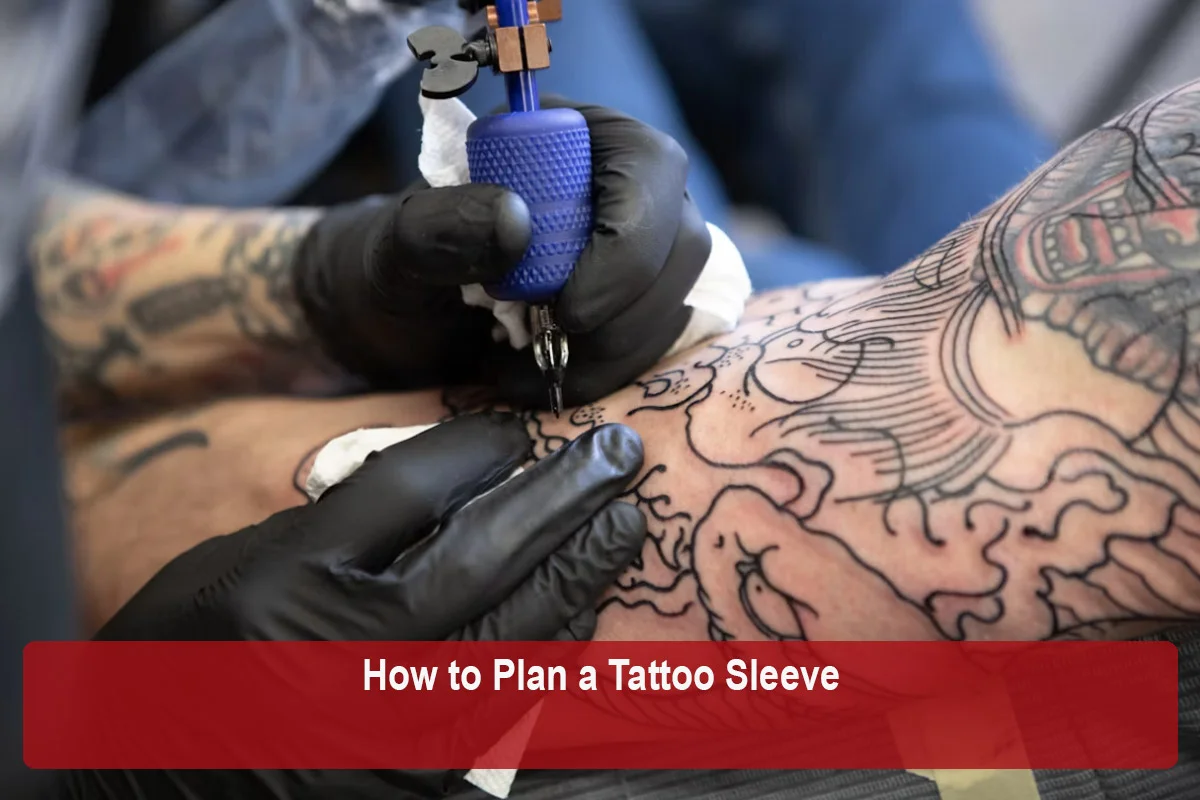
How to Plan a Tattoo Sleeve
Published On 07-10-2026
Published by the Tattoo Shops Near You Editorial Team

Knowing your style is the first step. The next step is knowing what great work in that style actually looks like. Every tattoo style has its own technical demands, and the qualities that make a fine line tattoo excellent are not the same ones that make a traditional piece or a realistic portrait excellent. If you know what to look for, you can scroll through a portfolio and quickly tell whether an artist truly excels at the style you want.
This guide goes style by style, explaining the markers of quality to look for in each one, so you can choose an artist with confidence.
Many portfolios look impressive at first glance. Bright photos, good lighting, and attractive designs can make most work seem strong. But a portfolio that looks great overall might still show weaknesses in the specific techniques your style depends on.
Evaluating an artist against the standards of your chosen style helps you see beyond the surface. It also helps you compare artists fairly, since you are measuring each one against the same specific criteria.
Before looking at individual styles, a few qualities matter for every artist:
With these in mind, here is what to look for in specific styles.
Look for bold, confident outlines that are clean and consistent, with no wobbly or broken lines. Color should be fully saturated and solid, without patchy areas. Black shading should be smooth and intentional. Designs should feel balanced, readable, and true to classic traditional conventions.
Strong traditional artists usually make the style look effortless. Healed photos should show lines and color that stay crisp and bold.
Look for controlled variation in line weight, with strong outer lines and finer interior detail. Color palettes should feel harmonious and intentional, and blends between colors should be smooth. Shading should create convincing depth without becoming muddy.
Many neo-traditional artists have a recognizable personal palette and compositional style. Choose one whose aesthetic you consistently love, since that look will be in your tattoo.
Fine line work lives or dies by line quality. Look for thin lines that are smooth, even, and unbroken, with consistent thickness along their length. Spacing between lines should be generous enough that details will not merge over time.
Healed fine line photos are especially important, since fresh fine line work almost always looks crisp. Look for healed pieces where lines remain clear and have not blurred or faded unevenly.
Look for strong contrast, with deep darks and clean highlights that give the image depth. Transitions between tones should be smooth, with no visible patchiness. For portraits, likeness matters most. If the artist posts reference photos alongside their work, compare them carefully.
Pay attention to how realism looks from a distance as well as up close. Strong realism artists build images that remain readable as the tattoo ages, rather than relying on tiny details that may soften.
Look for smooth gradients from black to light grey without blotches. Good black and grey work has a full range of tones, from solid blacks to soft greys, which gives designs dimension. Highlights should be clean.
Healed black and grey should still show contrast. Work that looks flat or overly grey once healed may lack the depth that holds up long term.
Look for strong, flowing compositions that follow the body's shape, especially in larger pieces. Background elements such as wind, waves, and clouds should tie the design together. Outlines should be bold and confident, and color or shading should be solid and well executed.
Japanese tattooing has established conventions, so look for artists who clearly understand and respect the tradition. Large healed pieces, such as sleeves and back pieces, are strong evidence of experience.
Look for solid, even black fills with no patchiness or visible holidays, which are small gaps where ink is missing. Geometric work should show precise symmetry and clean, accurate lines. Dotwork should be consistent and controlled.
Healed blackwork should look rich and even. Patterns should sit naturally on the body rather than appearing distorted by curvature.
Look for soft, intentional color blends that still have enough structure to read clearly. Many artists combine watercolor effects with linework or bold black elements to help designs hold their shape over time.
Healed watercolor photos are essential, since soft color can fade or spread. Look for healed pieces that still look vibrant and defined.
Look for consistent letter spacing, even line weight, and smooth curves. Letters should be legible and well proportioned. Good lettering artists have a strong grasp of different fonts and can design custom scripts.
Healed lettering should remain readable, with open spaces inside letters that have not filled in.
| Style | Key Quality Markers | What to Check in Healed Work |
|---|---|---|
| American traditional | Bold clean outlines, saturated solid color | Lines and color stay crisp and bold |
| Neo-traditional | Varied line weight, harmonious palette, smooth blends | Interior detail still distinct |
| Fine line | Smooth, even, unbroken thin lines with good spacing | Lines clear without blurring |
| Realism | Strong contrast, smooth tones, accurate likeness | Image readable from a distance |
| Black and grey | Full tonal range, smooth gradients | Contrast maintained |
| Japanese | Flowing composition, strong backgrounds, bold lines | Large pieces hold together |
| Blackwork and ornamental | Even black fills, precise symmetry | Rich, even black without patches |
| Watercolor | Intentional blends with structure | Color vibrant and defined |
| Lettering | Consistent spacing and line weight | Letters remain legible |
Once you have identified a few artists who meet the quality markers for your style, compare them on the factors that remain: design approach, availability, communication, and how comfortable you feel with them. Reach out with your idea and see how each responds.
The right artist for your style is someone whose work consistently meets the standards of that style, whose healed tattoos look great, and whose personal aesthetic matches what you want.
Illustrative styles, including etching and woodcut-inspired work, rely on controlled linework and hatching. Look for consistent line spacing in shaded areas, clean crosshatching, and lines that do not merge into muddy patches. Healed photos should show hatching that still reads as distinct lines rather than a grey smudge.
Dotwork depends on precise control of dot density to create shading. Look for smooth transitions from dense to sparse areas, with no random clusters or gaps. Healed dotwork should still show a gradient rather than appearing patchy.
Micro realism packs realistic detail into small sizes, which makes it particularly demanding. Look for clear, readable images even at small scale and healed examples that show how the detail settles. Artists who are honest about minimum sizes for micro realism designs are usually showing good judgment about longevity.
Many artists share their portfolios on social media, where photos may be edited, filtered, or taken immediately after the tattoo was finished when the skin is still red and the ink looks its boldest. This does not mean the work is misleading, but it does mean you should look more closely.
Look for photos taken in natural light, videos that show the tattoo from different angles, and posts clearly labeled as healed. Some artists share client photos of healed work, which can be especially informative. If you cannot find healed examples, ask the artist directly.
When you contact an artist, a few questions can confirm their depth in your chosen style:
An artist who answers confidently with specific examples and practical advice is likely well versed in the style.
When you have narrowed your list, it can help to compare similar pieces side by side. Find one tattoo from each artist that is close to your idea in style, size, and subject, ideally healed. Look at the linework, shading, color, and overall composition. Differences that seemed small while scrolling often become much clearer when the pieces are viewed together.
Also consider each artist's personal aesthetic within the style. Two highly skilled neo-traditional artists, for example, may have very different palettes and design sensibilities. The best choice is someone who meets the technical standards of the style and whose personal take on it matches your taste.
Some ideas blend styles, such as a realistic portrait with neo-traditional framing, or fine line work combined with dotwork shading. In these cases, look for an artist whose portfolio already shows that blend, or who is strong in the style that makes up the largest part of the design. Ask how they would approach the combination so you can judge whether their vision matches yours.
Once you have chosen an artist who excels in your style, trust their expertise on the technical details. If they suggest adjusting size, spacing, or composition, they are usually drawing on experience with how that style ages on skin. Share your vision clearly, then let them apply their knowledge of the style to make it work as a tattoo. That collaboration is often where the best results come from.
Choosing a tattoo artist for your style becomes much easier when you know what excellence looks like in that style. Use the markers above as a checklist, prioritize healed work, and look for consistency across the portfolio. With a trained eye, you can find an artist who will do your chosen style real justice.
This article was reviewed by the Tattoo Shops Near You Editorial Team for accuracy, clarity, and relevance. We use reliable industry resources, official business information, and other authoritative sources where applicable to help readers make informed decisions about tattoo shops, artists, styles, and services.
Last reviewed: October 2026
Getting a Tattoo
 Getting a Tattoo
 Getting a Tattoo
 Getting a Tattoo