
 Getting a Tattoo
How to Plan a Tattoo Sleeve
Published On 07-10-2026
Published by the Tattoo Shops Near You Editorial Team
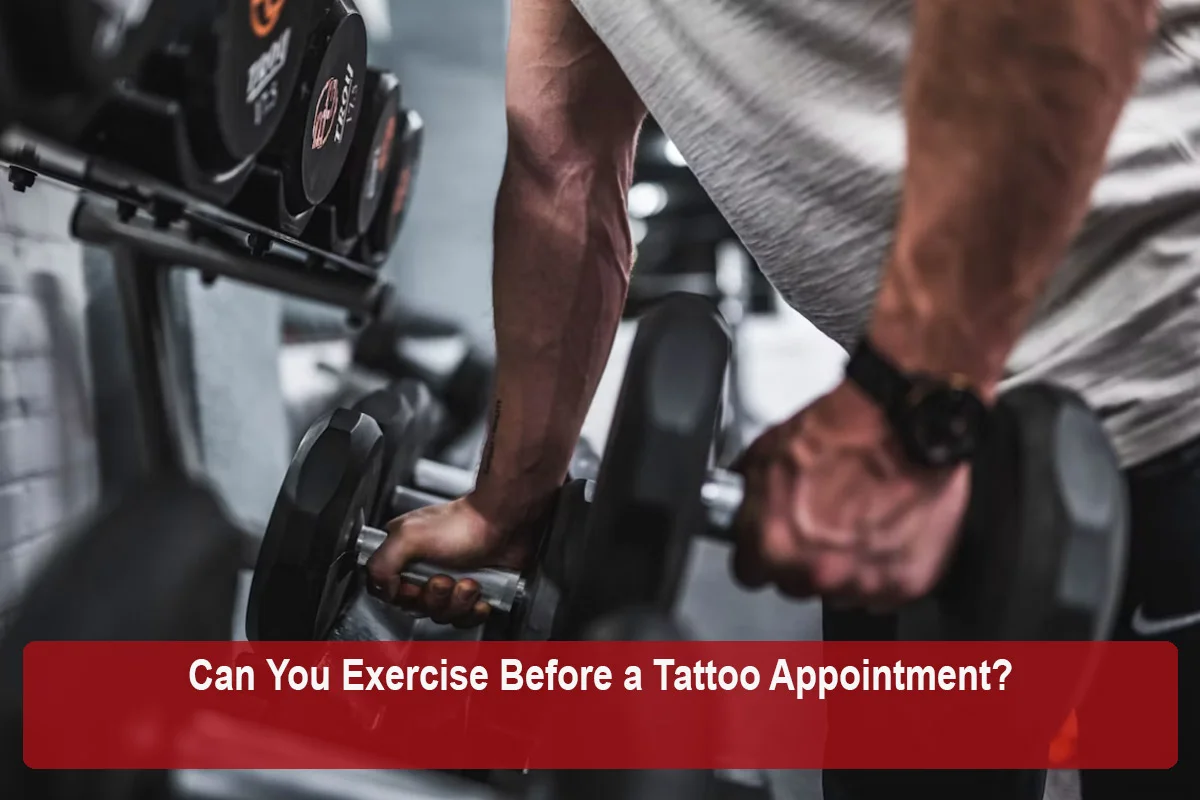
If exercise is part of your routine, you might wonder whether to keep it up on the day of your tattoo appointment. A morning run or gym session might seem like a good way to burn off nerves. But exercise right before a tattoo can affect how you feel in the chair, the condition of your skin, and even how comfortable the session is.
This guide explains what many artists suggest about exercising before a tattoo, why timing and intensity matter, which kinds of activity tend to be fine, and how to plan your workouts around your appointment and the healing period. This is general guidance, not medical advice. If you have a health condition, check with your doctor.
Light activity before a tattoo is generally fine for most people. Many artists suggest avoiding intense or exhausting workouts in the hours right before your appointment. The goal is to arrive rested, fed, hydrated, and with calm, clean skin, rather than tired, sweaty, or sore.
If you want to exercise on the day, a gentle walk or light stretching is often a better choice than a hard training session. If you are planning a heavier workout, many people schedule it for a different day.
Getting tattooed requires sitting still and managing a steady sensation, sometimes for hours. Arriving physically drained from a hard workout can make that harder. Many people find their patience and comfort dip when they are already tired.
Intense exercise uses energy. If you train hard and do not refuel properly, you may arrive feeling shaky or lightheaded, which is one of the more common reasons sessions get paused. Eating a proper meal after exercising and before your appointment is important.
If you train the muscle group where you are getting tattooed, such as legs before a thigh tattoo or chest before a chest tattoo, the area may be sore and tender. Some people report that tattooing over sore muscles feels more uncomfortable, and holding still in certain positions can be harder.
Sweat on the skin can make it harder for the stencil to transfer cleanly and can affect how the area feels during tattooing. Exercise can also cause friction, chafing, or irritation on certain areas. Arriving with clean, calm skin helps the session start smoothly.
Heavy sweating can leave you dehydrated if you do not replace fluids. Many artists recommend being well hydrated before a tattoo as part of general preparation.
| Activity | Common Guidance on Appointment Day | Things to Watch |
|---|---|---|
| Gentle walk | Usually fine | Arrive clean and on time |
| Light stretching or easy yoga | Usually fine | Avoid overstretching the placement area |
| Moderate cardio | Often okay earlier in the day | Refuel, rehydrate, shower before arriving |
| Intense training or long runs | Often avoided right before | Fatigue, low energy, sweat |
| Training the tattooed muscle group | Often avoided in the day or two before | Soreness and tenderness |
| Contact sports | Often avoided before | Bruises or scrapes on the placement |
If you choose to exercise before your tattoo, a few steps can help:
Beyond appointment day, think about what your training might do to the skin on your placement in the days leading up to it. Scrapes, bruises, sunburn, or chafing on the area can make tattooing difficult. Contact sports, climbing, and outdoor activities may carry more risk. If the area gets injured, contact your artist, since they may need to reschedule.
Some people wonder whether exercise beforehand will make the tattoo hurt less. Experiences vary, and there is no reliable way to predict how exercise will affect sensation for you. What many people do report is that being well rested, fed, and calm makes a tattoo feel more manageable. Our article on why tattoo pain varies from person to person explains the many factors involved.
Exercise matters just as much after your tattoo. A fresh tattoo is a healing wound, and many artists recommend taking a break from intense workouts while it heals, or at least in the first several days. Common concerns include:
Follow your artist's aftercare instructions for when and how to return to exercise. They will tailor advice to your placement and size.
If training is important to you, plan your tattoo appointment around your schedule. Many people book tattoos for a recovery week or a quieter period in their training. Consider the placement too: a tattoo on a body part you use heavily in your sport may need more rest during healing.
For large tattoos that require multiple sessions, discuss scheduling with your artist so you can plan training blocks between sessions and allow proper healing time.
An easy run earlier in the day may be fine for some people, as long as they refuel, rehydrate, and shower before the appointment. A long or very hard run right before can leave you fatigued. After the tattoo, running can cause sweat and friction, especially for leg tattoos, so follow your artist's guidance on when to return.
Heavy lifting can leave muscles sore, particularly if you train the area being tattooed. Many people skip training that body part in the day or two before. After the tattoo, lifting can stretch the skin and cause friction from equipment, and shared gym surfaces raise hygiene concerns for a fresh tattoo.
Gentle yoga or stretching before an appointment is usually fine and may help you feel calm. Hot yoga, however, involves heavy sweating. After a tattoo, avoid stretching the tattooed area intensely while it heals, and many people avoid hot yoga and saunas until healing is complete.
Easy cycling beforehand is usually fine. After a tattoo, think about friction from clothing and saddles, especially for thigh, hip, or lower leg tattoos.
These carry a risk of bruises, scrapes, and impacts on the placement area, both before and after the tattoo. Many people take a break in the days before the appointment and during healing.
If you train outdoors, protect the placement area from sunburn in the days before your tattoo. Sunburned skin may need to heal before an artist can tattoo it. After the tattoo, keep the healing area out of direct sun and follow your artist's aftercare guidance. Once healed, protecting tattoos from sun during outdoor training helps them stay vibrant.
Where your tattoo is placed affects how much exercise matters. Leg, back, and chest tattoos are more affected by sweat and friction during most workouts. Forearm and upper arm tattoos may rub against equipment or be stretched by lifting. Small tattoos in low-movement areas may be less affected. Ask your artist how your specific placement might be affected by your usual activities, both before and after the appointment.
If you have a race, competition, or important training block coming up, consider scheduling your tattoo for after it. Healing can mean several days to weeks of modified training depending on the size and placement, and you may not want to compromise either the event or the tattoo.
Gym equipment, mats, and benches are shared surfaces. While your tattoo is healing, contact with these surfaces can raise hygiene concerns. If you return to the gym during healing, many people keep the tattoo covered with clean, loose clothing where possible and avoid placing it directly on shared surfaces. Follow your artist's specific advice for your tattoo.
Everyone responds differently to both exercise and tattoos. If you feel tired, lightheaded, or unwell on appointment day, skip the workout and focus on resting and eating well. If you feel sore or drained after your tattoo, give yourself time before returning to training. Your body is doing the work of healing.
For long or all-day sessions, conserving energy matters even more. Many people skip workouts entirely on the day of a long sitting and focus on sleep, food, and hydration instead. Our guide on what to bring to a long tattoo session covers how to stay comfortable through extended appointments.
If you feel restless before your appointment, gentle movement can help settle nerves without draining your energy. A short walk, a few minutes of light stretching, or some slow breathing exercises are popular choices. These can leave you feeling calmer and more focused as you head into the studio, without the fatigue or sweat that comes with a harder session.
Light exercise before a tattoo is usually fine, but many artists suggest avoiding intense workouts in the hours right before your appointment. Arrive rested, fed, hydrated, and with clean, calm skin. Avoid training the placement area if it tends to get sore, and protect the skin from scrapes and sunburn in the days leading up.
After your tattoo, give it time to heal before returning to intense training, following your artist's aftercare guidance. For more tips on getting ready, see our guide on how to prepare for a tattoo appointment.
This article was reviewed by the Tattoo Shops Near You Editorial Team for accuracy, clarity, and relevance. We use reliable industry resources, official business information, and other authoritative sources where applicable to help readers make informed decisions about tattoo shops, artists, styles, and services.
Last reviewed: October 2026
Getting a Tattoo
 Getting a Tattoo
 Getting a Tattoo
 Getting a Tattoo