Tattoo Safety & Health
Do Forearm Tattoos Hurt?
Published On 27-09-2026
Published by the Tattoo Shops Near You Editorial Team
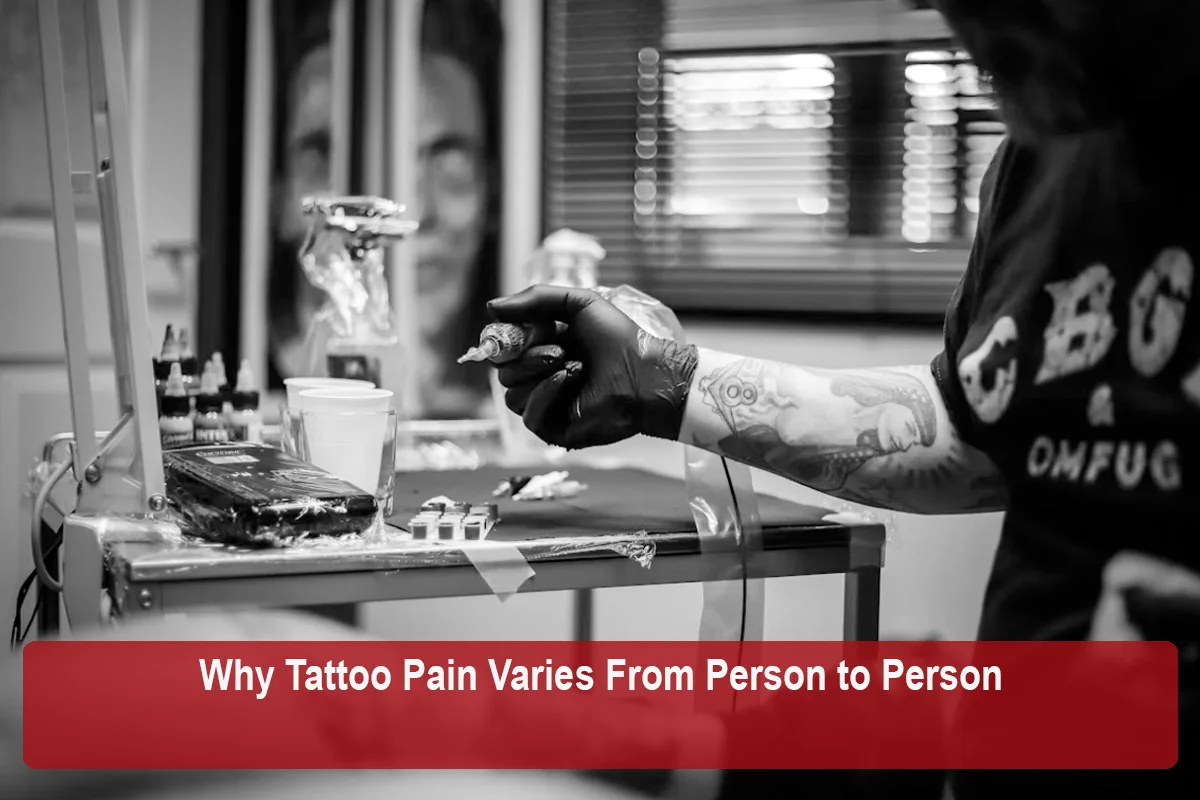
Two people can get the exact same design in the exact same spot and walk away with genuinely different accounts of how it felt. This is not unusual or a sign that one person is exaggerating and the other underselling it. Pain perception is influenced by a real mix of physical and psychological factors, many of which have nothing to do with the placement itself.
People simply differ in how they perceive and process pain, a variation that shows up across all kinds of physical experiences, not just tattooing specifically. This baseline difference in individual tolerance is one of the most significant reasons the same placement can feel meaningfully different from one person to the next, independent of anything about the tattoo itself.
Going into an appointment anxious, tense, or bracing for pain can genuinely affect how intense the sensation feels once the tattooing actually begins, since heightened anxiety tends to amplify physical discomfort. Someone who is relaxed, curious, and mentally prepared often reports a more manageable experience than someone approaching the same placement in a state of significant dread, even when the physical stimulus itself is identical.
Being genuinely well rested and having eaten a proper meal beforehand both affect your body's overall resilience and your ability to sit comfortably through a session. Someone who is exhausted, hungry, or running on poor sleep tends to have a harder time with the same tattoo than someone who arrived well prepared in these basic, practical ways, which is part of why general appointment preparation is worth taking seriously.
Some people report that hormonal fluctuations, including those tied to the menstrual cycle, can affect how sensitive they feel on a given day, though this varies considerably between individuals and is not a universal or predictable pattern. If you have noticed a personal pattern like this in other physical experiences, it may be worth keeping in mind when scheduling a tattoo appointment, though it is not something to treat as a fixed rule.
Certain medications and substances can influence pain perception, bleeding, and general sensitivity in ways that vary by individual and by specific substance. If you are taking any regular medication and are unsure how it might interact with getting tattooed, discussing this directly with your doctor ahead of your appointment is a reasonable step, rather than guessing or assuming it makes no difference.
The same intensity of sensation can feel quite different depending on how long you have already been sitting through it. A longer session naturally builds a kind of cumulative fatigue, both physical and mental, which can make the later portion of an extended appointment feel more taxing than the earlier portion did, even if the actual technique and pressure the artist is using has not changed.
Individual artists differ somewhat in their technique, including hand pressure, speed, and needle depth, all of which can affect how a session feels beyond the placement itself. This is part of why two different artists working on the same general area might produce a somewhat different experience, separate entirely from any anatomical explanation.
People with previous tattoo experience often report handling subsequent sessions somewhat differently than their first, partly because the general unfamiliarity and uncertainty of a first tattoo can amplify anxiety in ways that fade with more experience. Knowing roughly what to expect, and having a personal reference point for what tattooing generally feels like, can genuinely change the experience even when the specific placement is entirely new.
How much attention you are actively paying to the sensation itself, versus being distracted by conversation, music, or something else entirely, can meaningfully affect how intense a session feels. This is part of why many people find that chatting with their artist, listening to something engaging, or simply mentally focusing elsewhere makes a noticeable difference in how manageable the experience feels overall.
Even within a placement generally described in a certain way, individual anatomy varies enough that two people can have a genuinely different physical experience in the exact same spot, given natural variation in skin thickness, nerve distribution, and body composition from person to person. General placement guidance describes common patterns, not a guaranteed outcome for every individual body.
Beyond general anxiety about tattooing specifically, whatever else is happening in your life or your mood on the particular day of your appointment can influence how you experience the session. Significant unrelated stress or a genuinely difficult day can make discomfort feel more pronounced, while feeling calm, settled, and in a good headspace generally supports a more manageable experience.
| Factor | How It Can Influence the Experience |
|---|---|
| Individual pain tolerance | A genuine baseline difference between people |
| Anxiety and mental state | Heightened anxiety tends to amplify perceived discomfort |
| Rest, food, and hydration | Poor preparation makes discomfort harder to manage |
| Session length | Cumulative fatigue builds over a longer sitting |
| Prior tattoo experience | Familiarity with the process can reduce anxiety-driven intensity |
Because so many individual factors shape how any one person experiences a tattoo, a friend's account of a particular placement is genuinely useful context but not a reliable prediction of your own experience. Their pain tolerance, mental state, preparation, and individual anatomy all differ from yours, which is exactly why the same placement can generate such a wide range of secondhand descriptions.
Since several of the biggest factors influencing pain perception, mental state, rest, nutrition, and anxiety, are things you have real influence over, taking these seriously in the days and hours before your appointment is genuinely one of the more effective things you can do to make the experience more manageable, regardless of placement.
If you know from past experience that you tend to be more sensitive to pain generally, or that anxiety significantly affects how you handle physical discomfort, sharing this directly with your artist gives them useful context to plan around, whether that means building in more frequent breaks or simply talking you through the process more thoroughly beforehand.
Given how many individual factors are genuinely at play, treating any general ranking of placements from least to most painful as a precise, universal scale misses the reality that your own specific experience depends on far more than location alone. General placement patterns are a useful starting point for setting expectations, not a guaranteed prediction of exactly how your own body and mind will respond.
Placement still matters, and general patterns like thin skin over bone being more noticeable than fleshier, more padded areas hold up reasonably well across most people. What individual variation adds is a kind of range around that general pattern, meaning a commonly cited sensitive placement might still feel quite manageable to one person with a higher tolerance and good preparation, while a commonly cited comfortable placement might still feel more noticeable to someone who is anxious, exhausted, or naturally more sensitive to this kind of stimulus.
Many people describe the early minutes of a tattoo as the most noticeable part, with the sensation becoming somewhat more manageable as the session continues, sometimes attributed to the body's natural response to sustained discomfort. This pattern is commonly reported rather than universal, and some people experience the opposite, particularly in longer sessions where fatigue builds over time, so it is worth going in without assuming either pattern will definitely apply to you.
Feeling genuinely comfortable and confident in your artist, based on a thorough consultation and a sense that they communicate clearly and check in throughout the process, can meaningfully affect how manageable a session feels, separate entirely from the physical sensation itself. Trust reduces a certain kind of background anxiety that can otherwise compound the discomfort of the tattooing itself.
Understanding that pain is shaped by so many individual, controllable factors, not just an unchangeable fact about a given body part, means you have real influence over how manageable your own experience is likely to be. Focusing energy on the things within your control, preparation, mental state, communication with your artist, and honest self-awareness about your own tendencies, tends to be more productive than fixating purely on a placement's general reputation.
Rather than treating tattoo pain as a single, fixed quantity determined entirely by where on the body you choose, it is more accurate and more useful to think of it as the product of several factors working together, placement being just one of them alongside your own physiology, mental state, and preparation. Approaching it this way tends to lead to both more realistic expectations and a genuinely more comfortable experience than fixating on placement rankings alone.
Whatever placement you ultimately choose, going in with this fuller understanding, and taking seriously the factors genuinely within your control, gives you the best realistic chance at a manageable, positive experience.
This article was reviewed by the Tattoo Shops Near You Editorial Team for accuracy, clarity, and relevance. We use reliable industry resources, official business information, and other authoritative sources where applicable to help readers make informed decisions about tattoo shops, artists, styles, and services.
Last reviewed: September 2026