
 Tattoo Safety & Health
Why Tattoo Pain Varies From Person to Person
Published On 27-09-2026
Published by the Tattoo Shops Near You Editorial Team
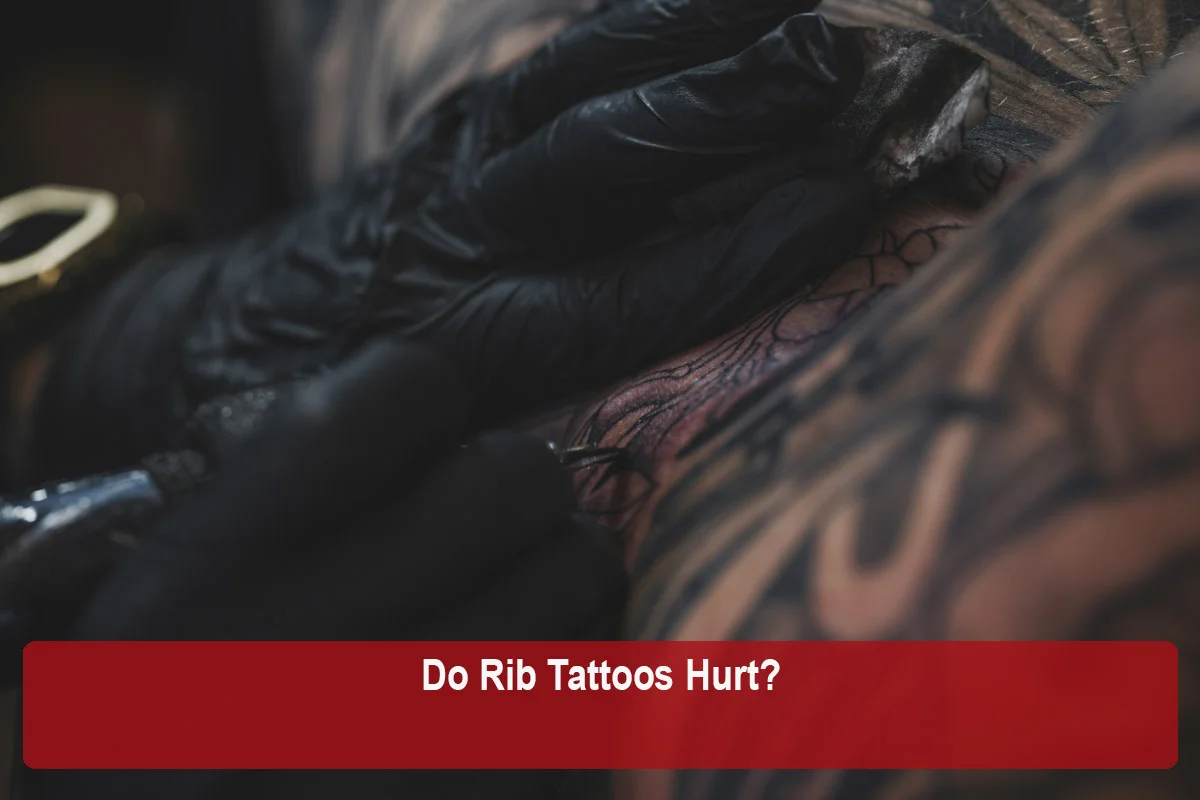
Ribs bring a factor to the sensitivity conversation that most other placements simply do not involve in the same way, breathing. Unlike a stationary area of skin, the ribcage expands and contracts with every single breath throughout the entire session, which adds a genuinely unique dynamic to both the sensation and the technical process of tattooing this particular area.
The skin over the ribs is generally thin, with bone sitting close to the surface and relatively little muscle padding in many areas, particularly toward the sides of the body. This combination of thin skin and bone proximity is consistent with the general pattern seen in other commonly cited sensitive placements, and ribs are frequently mentioned as one of the more noticeable areas many people report experiencing.
Because the ribcage physically moves with every breath, both expanding and contracting continuously throughout the session, this placement involves a kind of constant subtle motion that most other tattoo locations simply do not have to account for. This affects not just the sensation itself, sometimes described as feeling more pronounced with certain breaths, but also the technical process, since the artist has to work with, rather than against, this natural rhythm.
The side ribs, particularly the area closer to the underarm, are commonly reported as especially sensitive, given both the bone proximity and the added sensitivity many people associate with that general region of the body. The front ribs and areas closer to the center of the chest are sometimes described somewhat differently, though the entire rib area tends to be grouped together as a generally more demanding placement compared to fleshier parts of the torso.
Getting clear access to the ribs, particularly the side ribs, often requires raising your arm above your head or holding it in a specific position for an extended period, which stretches the skin taut and gives the artist a clearer, more stable surface to work on. Holding this position for a potentially long session is its own physical demand, separate from the tattooing sensation itself.
Because the ribcage moves with every breath, many artists working in this area develop a rhythm that accounts for this natural movement, sometimes timing certain parts of the work with your breathing pattern. Staying as relaxed and naturally breathing as possible, rather than trying to hold your breath or breathe unnaturally, generally makes this coordination smoother for both you and the artist.
A rib design that runs horizontally, following the natural line of the ribs themselves, moves across the ribcage's expansion and contraction differently than a design that runs vertically, along the side of the body. This is both a design consideration and something that can affect the overall experience of the session, worth discussing directly with your artist when planning a rib piece.
A healing rib tattoo continues to deal with the same breathing-related movement that affected the tattooing session itself, along with regular contact from clothing, particularly bra straps and waistbands for many people, and the natural stretching that happens with normal upper body movement like reaching, bending, and twisting. This makes it worth planning around clothing choices and activity level during the initial healing period.
Depending on your usual sleeping position, particularly if you tend to sleep on your side, a fresh rib tattoo can make finding a comfortable position more difficult during the initial healing period. Similarly, activities involving significant twisting, stretching, or deep breathing, such as certain forms of exercise, may be worth temporarily modifying while the area heals.
Experienced artists working on ribs often talk clients through positioning and breathing beforehand, build in breaks for longer sessions, and pace the work with an understanding of how the natural breathing rhythm affects both comfort and technical precision in this area. Discussing this directly during your consultation helps you understand what to expect from a specific artist's approach.
| Factor | Why It's Relevant to Rib Tattoos |
|---|---|
| Thin skin, bone proximity | Consistent with other commonly cited sensitive placements |
| Constant movement from breathing | The ribcage expands and contracts throughout the entire session |
| Location on the ribs | Side ribs near the underarm are commonly reported as especially sensitive |
| Positioning requirements | Raising or holding an arm in position for extended periods |
| Healing friction points | Bra straps, waistbands, and normal upper body movement |
Ribs share the general thin-skin-and-bone-proximity factor with other commonly cited sensitive placements, but the added element of constant breathing movement sets this area apart from most other locations on the body. Even someone with prior experience getting tattooed in another sensitive area may find ribs present a genuinely different kind of challenge, simply because of this unique, ongoing motion factor.
Choosing the ribs as a first tattoo is a significant decision, given the combination of commonly reported sensitivity, the breathing-related movement, and the positioning demands involved. Without prior tattoo experience to draw on for comparison, it is worth thinking carefully about whether this particular placement is the right starting point, or whether a more straightforward, stationary location might offer a gentler introduction first.
Rather than holding your breath or trying to consciously control your breathing during the session, which can actually make the natural rhythm harder for the artist to work with, focusing on slow, steady, natural breaths tends to help both you and the artist settle into a manageable rhythm throughout the appointment. Some people find deliberately relaxing their shoulders and upper body, rather than tensing up in anticipation, also makes the experience somewhat more manageable.
Wearing something that gives easy access to the rib area without requiring you to fully undress, such as a loose top you can shift out of the way, or clothing designed with easy removal in mind, makes the actual appointment considerably more comfortable than struggling with something restrictive on the day.
Given both the physical demands of a longer session in this particular area and the way the ribcage's movement can affect the technical precision of very fine detail, smaller or simpler rib designs are sometimes an easier starting point than highly intricate pieces, particularly for a first rib tattoo. This is a reasonable consideration to discuss with your artist when deciding how ambitious to make a design in this location.
The same general preparation habits that help with any tattoo appointment, adequate rest, a proper meal beforehand, and avoiding alcohol, matter just as much for a placement commonly reported as sensitive and physically demanding given the positioning and breathing coordination involved. Arriving well prepared in these basic ways can meaningfully affect how manageable the session feels.
Given the specific technical demands ribs present, working with the breathing rhythm and holding challenging positioning steady, it is worth specifically confirming an artist has genuine, demonstrated experience with rib placements before booking, rather than assuming general skill automatically extends comfortably to this particular area.
A rib tattoo's reputation for sensitivity is only one part of a larger decision that also includes the unique breathing-related movement, positioning demands, and healing considerations tied to clothing and normal upper body activity. Thinking through all of these factors together, rather than focusing on pain in isolation, gives you a much more complete and realistic sense of what this particular placement genuinely involves.
With that fuller understanding, and an artist experienced in working with the ribcage's natural rhythm, a rib tattoo remains a popular and visually striking choice for people drawn to how a design can flow along the body's natural lines in this area.
If your rib design is large enough to require more than one session, the same breathing-related and positioning considerations apply to each individual appointment, not just the first. Planning for this across the full timeline of a multi-session piece, rather than assuming later sessions will simply be easier because you have already been through the process once, helps set realistic expectations for the entire project.
Going into a consultation already aware of how breathing, positioning, and clothing all factor into a rib tattoo gives you a stronger foundation for a productive conversation with your artist, one that addresses these specific considerations from the start rather than discovering them for the first time once you are already in the chair.
This article was reviewed by the Tattoo Shops Near You Editorial Team for accuracy, clarity, and relevance. We use reliable industry resources, official business information, and other authoritative sources where applicable to help readers make informed decisions about tattoo shops, artists, styles, and services.
Last reviewed: September 2026
Tattoo Safety & Health
 Tattoo Safety & Health
 Tattoo Safety & Health
 Tattoo Safety & Health