
 Getting a Tattoo
How to Plan a Tattoo Sleeve
Published On 07-10-2026
Published by the Tattoo Shops Near You Editorial Team
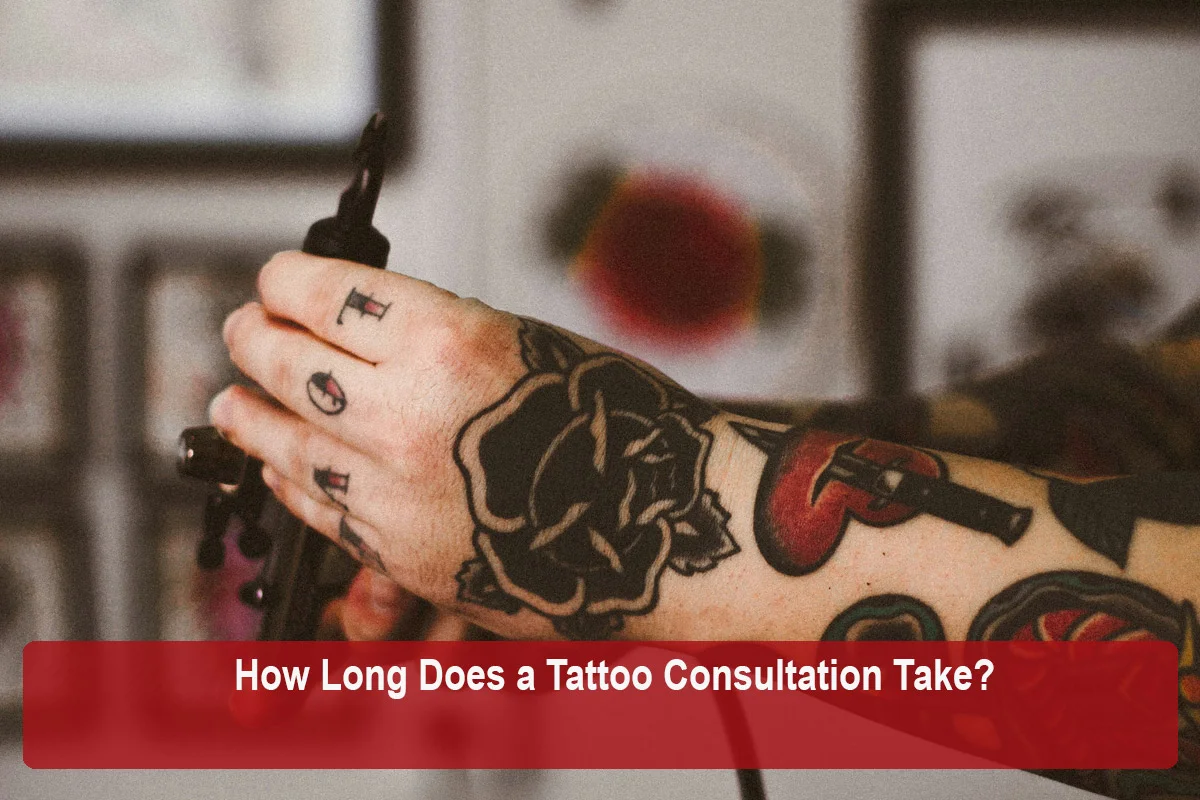
A tattoo consultation can run anywhere from a short ten or fifteen minute conversation to a well over an hour, and the honest answer to how long yours will take depends almost entirely on what you are getting and how much has already been decided before you sit down with the artist. A small flash piece needs very little discussion. A large custom back piece needs quite a bit.
Two things drive consultation length more than anything else: how custom the design is, and how clear you already are about what you want. A client who walks in with reference images, a specific placement in mind, and a rough size already worked out moves through a consultation much faster than someone still deciding between a few different ideas. Complexity works the same way. A simple, single-element design takes far less time to discuss than a large-scale custom piece involving multiple elements, specific composition choices, and decisions about how the design will need to be broken into stages.
Most consultations cover a fairly consistent set of ground, regardless of how long they take. The artist will usually ask about the design itself, including any reference images or ideas you have gathered, and talk through style options if the concept is still loosely defined. Placement and sizing get discussed in detail, often with the artist offering input on how a design will actually look and age on the specific part of the body you have in mind, which is not always the same as how you originally pictured it. Basic health questions typically come up as well, covering skin conditions at the intended placement and anything relevant to healing. Budget expectations and rough pricing also tend to come up at this stage, along with a conversation about whether the piece can be completed in one sitting or will need to be split across multiple sessions.
An initial consultation with an artist you have never worked with tends to run longer than a follow-up conversation once you already have an established relationship. Part of that first meeting is simply getting a sense of each other, the artist learning your general taste and expectations, and you getting a feel for how the artist communicates and approaches design. Once that baseline exists, later conversations, even about a completely different piece, often move faster since much of the groundwork has already been established.
Not every consultation happens as a single in-person meeting. Many shops handle an initial screening through email, a booking form, or direct messages, where you describe the idea, share reference images, and provide basic details like placement and size before ever meeting the artist face to face. This kind of pre-screening can significantly shorten the in-person portion of the process, since the artist has already had time to think about the concept beforehand rather than starting from scratch in the room. Other shops prefer to handle the entire conversation in person from the start, particularly for more involved custom work where seeing the actual placement in person matters.
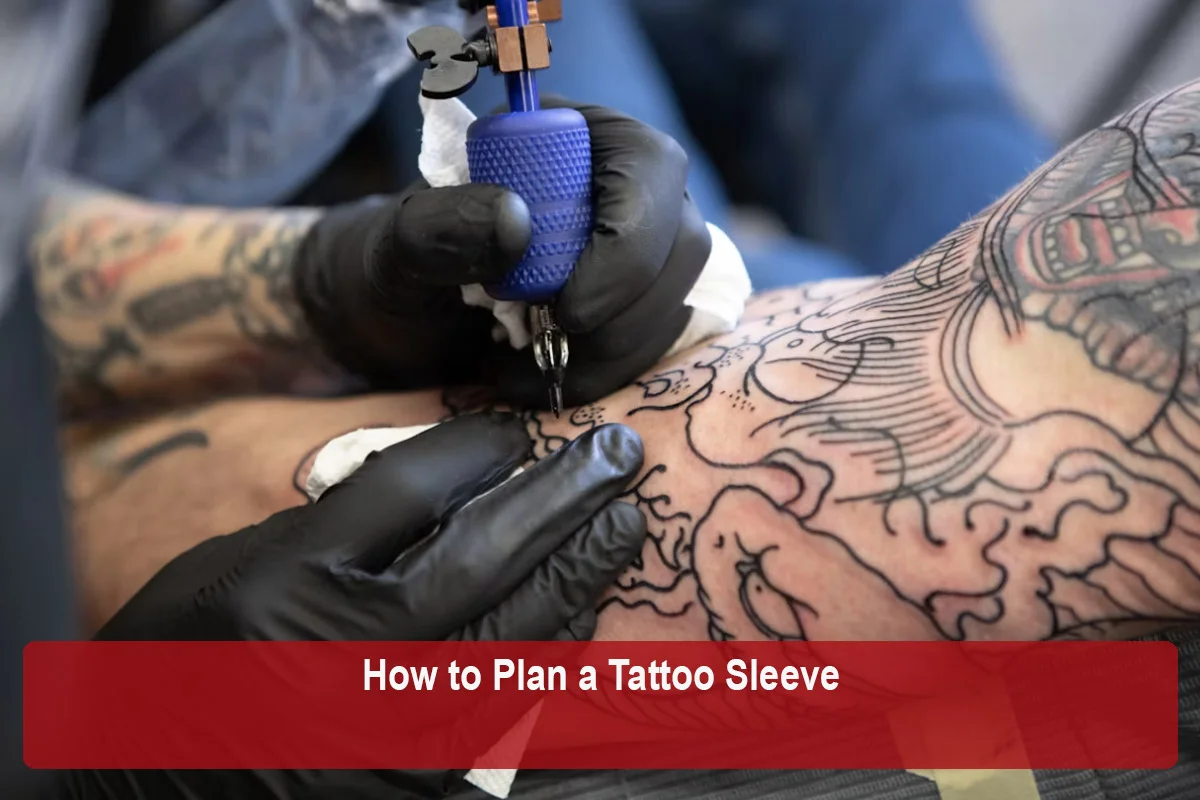
Sleeves, back pieces, and other large-scale projects generally need more than a single short conversation to plan properly. These consultations tend to run longer individually, and it is common for the overall planning process to be spread across more than one meeting, particularly if the design goes through revisions or the composition needs adjusting once the artist has had time to sketch based on the initial conversation. Multi-session pieces also often involve a check-in conversation before each individual session, even after the overall design is settled, to confirm placement continuity and review how the piece is progressing.
This varies from shop to shop. Some studios treat the initial consultation as a free part of the booking process, while others charge a consultation fee, particularly for extensive custom design work that requires significant time from the artist before any tattooing happens. Where a fee applies, it is sometimes credited toward the cost of the tattoo itself, though this is not universal and depends entirely on the individual shop's policy, so it is worth asking directly rather than assuming either way.
Coming prepared shortens almost any consultation. Reference images, even rough ones, give the artist a much clearer starting point than a verbal description alone. Having a general sense of size and placement already in mind, even if you are open to the artist's input, moves the conversation along faster than starting from a completely blank slate. It also helps to have a realistic idea of your own schedule and availability, since the consultation is usually also where the actual appointment gets booked once the design direction is settled.
| Type of Tattoo | Typical Consultation Length | What's Usually Discussed |
|---|---|---|
| Simple flash or small design | A short conversation, often at the time of booking | Placement, sizing, minor design adjustments |
| Custom small to mid-size piece | Roughly fifteen to thirty minutes | Design direction, references, placement, pricing |
| Large custom piece or sleeve | Thirty minutes or more, sometimes across multiple meetings | Full composition, session planning, revisions |
Once the design direction and placement are settled, the consultation usually ends with booking the actual appointment, often along with a deposit to reserve the time. From there, the artist typically finalizes the design or stencil ahead of the scheduled session, sometimes sharing a preview beforehand and sometimes finalizing it the day of the appointment, depending on the shop's usual process. If any part of the plan feels unresolved by the end of the consultation, it is reasonable to ask for clarification before booking, rather than leaving important details, like final size or placement, undecided going into the actual appointment.
Even a consultation that should be straightforward can run longer than expected for a few common reasons. A client who is genuinely undecided between a few different concepts often needs extra time working through the options with the artist before landing on a direction. Reference images that conflict with each other, such as pulling inspiration from several very different styles, can also require additional discussion to reconcile into a single coherent design. And an artist juggling a busy day of back-to-back clients may simply have less uninterrupted time to give a consultation the depth it would get on a quieter day, which is part of why some shops prefer to schedule consultations as their own dedicated appointment rather than fitting them in between other work.
Clients traveling from out of town or booking with an artist who does not live nearby sometimes handle the entire consultation remotely, through a video call, email exchange, or a combination of both, before ever meeting the artist in person. This lets the design and placement get largely settled ahead of time, so the in-person portion of the visit can focus on finalizing the stencil and getting started, rather than starting the design conversation from the beginning once the client has already traveled to the shop. Not every artist offers this option, so it is worth asking directly if distance is a factor in your booking.
The consultation itself is usually just one part of a longer process between deciding on a tattoo and actually getting it done. A short, efficient consultation does not necessarily mean a faster path to your appointment, since the actual scheduling depends more on the artist's calendar and, for custom work, how much time they need to finalize the design afterward. A longer, more detailed consultation for a complex piece, on the other hand, often reflects a design that will need more lead time regardless of how quickly the initial conversation went. Thinking of the consultation as the starting point of the process, rather than the whole of it, helps set realistic expectations for how soon the actual tattoo appointment will happen.
Not every project wraps up in one meeting, even for pieces smaller than a full sleeve. If the artist's first design draft misses the mark on composition, sizing, or a key detail, a second, shorter conversation to review the revision is a normal part of the process rather than a sign anything went wrong. This is especially common for more detailed custom work, where getting the concept exactly right matters enough to justify a follow-up discussion instead of proceeding with a design that does not quite feel finished. Building in the possibility of a follow-up conversation, rather than expecting everything to be settled in a single sitting, tends to lead to a better final result on more involved pieces.
A consultation covering an existing tattoo, whether for a cover-up or significant rework, generally takes longer than one for a fresh design on clear skin. The artist has to examine the existing tattoo directly, assess how its size, color saturation, and line placement will constrain a new design, and talk through realistic options given what is actually there to work with. This often means the conversation includes more back and forth than a standard consultation, since the artist is working within real limitations rather than starting with a blank canvas, and it is common for a cover-up consultation to end with a design concept that requires a bit more time to develop before it is ready to finalize.
This article was reviewed by the Tattoo Shops Near You Editorial Team for accuracy, clarity, and relevance. We use reliable industry resources, official business information, and other authoritative sources where applicable to help readers make informed decisions about tattoo shops, artists, styles, and services.
Last reviewed: September 2026
Getting a Tattoo
 Getting a Tattoo
 Getting a Tattoo
 Getting a Tattoo